
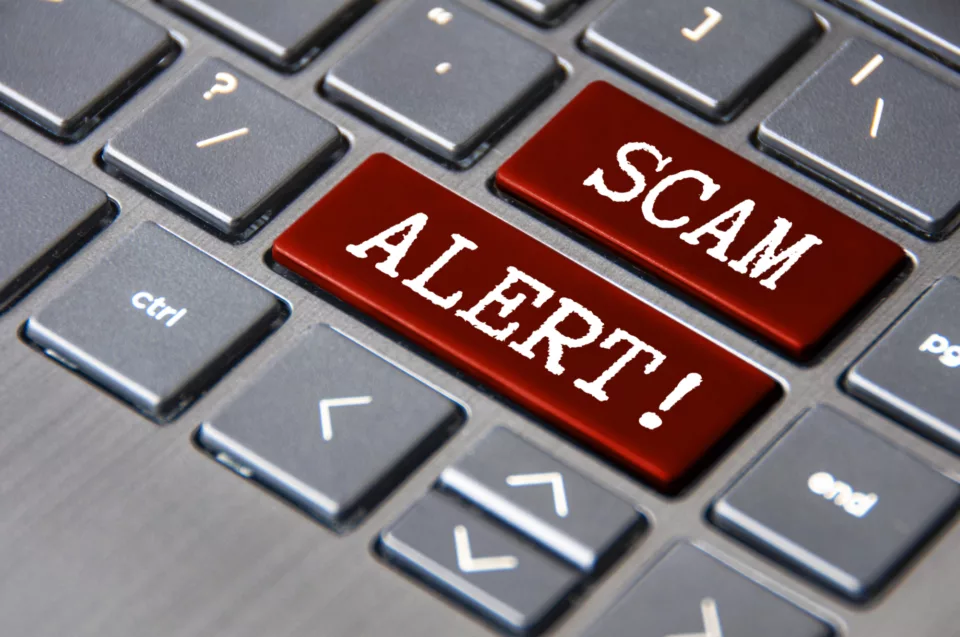
Moving to a new country is a huge step filled with opportunities and challenges. Unfortunately, scammers often target refugees because they might not be familiar with local systems, laws, or processes.

Scammers are clever. They exploit vulnerabilities, such as limited knowledge of local systems, language barriers, and financial insecurity, to steal money or personal information. Refugees may also feel pressured to make quick decisions, particularly when searching for housing, jobs, or essential services.
This sense of urgency makes them more susceptible to scams. Scammers might pose as landlords, employers, government officials, or charity workers to gain trust and manipulate their victims.
It is important to remain cautious and vigilant. Taking the time to verify claims and seeking help from trusted sources can prevent falling victim to scams. Remember that legitimate organizations and individuals will not pressure you into making hasty decisions or providing sensitive information without proper verification.
Tip to Stay Safe:
Keep your personal information private and only share it when absolutely necessary.

Housing is one of the first priorities for refugees, and scammers know this. Fake landlords might advertise properties they do not own, using convincing photos, fabricated documents, and false promises. They often demand a deposit or advance payment before showing the property or signing a lease. Once the payment is made, the scammer disappears.
Scammers might also claim that the property is in high demand to create a sense of urgency. They may insist on communication through unofficial channels or avoid meeting in person, further raising red flags.
– Use local property registration systems, if available, or ask trusted community members to help confirm the landlord’s identity.
– Ensure all terms, including rent, deposit, and maintenance responsibilities, are clearly documented in a formal lease agreement. Avoid relying on verbal promises.
– Never pay a deposit or rent upfront without verifying the property’s legitimacy.

Employment is a crucial need for refugees, providing not only financial stability but also a sense of purpose and integration into a new community. Unfortunately, scammers prey on this urgency and often use fake job offers as a way to exploit vulnerable individuals. These scams can be sophisticated, promising high salaries, flexible work conditions, or rapid hiring processes—all designed to attract hopeful job seekers. However, these fraudulent opportunities typically come with a catch: the requirement to pay upfront fees for training, materials, or background checks. Once the money is paid, the supposed employer disappears, leaving victims with financial loss, frustration, and disappointment.
To appear legitimate, scammers may use fake company names, professionally designed websites, or email addresses that mimic real organizations. They craft detailed advertisements or messages that distract victims from noticing subtle inconsistencies, such as grammatical errors, vague job descriptions, or requests for personal information early in the process. These tactics are highly manipulative and often difficult to detect without careful scrutiny.
Tips to Recognize and Avoid Fake Job Offers:
– Before applying for or accepting a job, conduct a thorough investigation of the company. Visit its official website, check reviews on platforms like Glassdoor, and look up its registration details with local business authorities. Legitimate companies will have a transparent online presence and verifiable contact information.
– Use trusted and verified job boards, especially those recommended by refugee support organizations or community groups. These platforms often pre-screen job postings to ensure legitimacy.
– Avoid providing sensitive information such as your Social Security number, bank account details, or immigration status until after you have been formally hired.

Phishing scams use fake emails, messages, or phone calls to steal personal and financial information. These scams often appear to come from trusted sources like government agencies, banks, or well-known companies. The messages might ask you to click on a link, download an attachment, or provide sensitive details such as passwords or account numbers.
Phishing scams often create a sense of urgency, claiming that your account will be locked or you will miss out on a critical opportunity unless you act immediately. This pressure is a key tactic to lower your guard.
– Avoid Clicking on Links: Instead of clicking on links in messages, type the website URL into your browser yourself.

Steps to Report Scams:
– Start by collecting evidence. Save all communications related to the scam, including emails, text messages, receipts, or any other documentation. These items can serve as proof and assist in the investigation. Once you have gathered this information, report the incident to the Federal Trade Commission (FTC) by visiting www.reportfraud.ftc.gov or calling 1-877-FTC-HELP. The FTC investigates various types of scams and provides guidance on next steps.
– Next, contact your local authorities. Filing a report with the local police department is essential, especially if money has been stolen or your personal safety is at risk. When filing, ensure you request a copy of the police report for your records. Additionally, notify your bank or credit card company if financial information has been compromised. They can freeze accounts, reverse unauthorized transactions, and issue new cards to secure your finances.
– You can also reach out to state consumer protection offices. Many states have dedicated offices that assist residents in addressing scams and fraud. Check your state’s website for contact details. Nonprofit organizations and refugee support groups are another valuable resource. These organizations can provide advice, assist with filing reports, and even act as intermediaries on your behalf.
By taking these actions, you not only help protect yourself but also contribute to a broader effort to combat fraud and make your community safer for everyone.
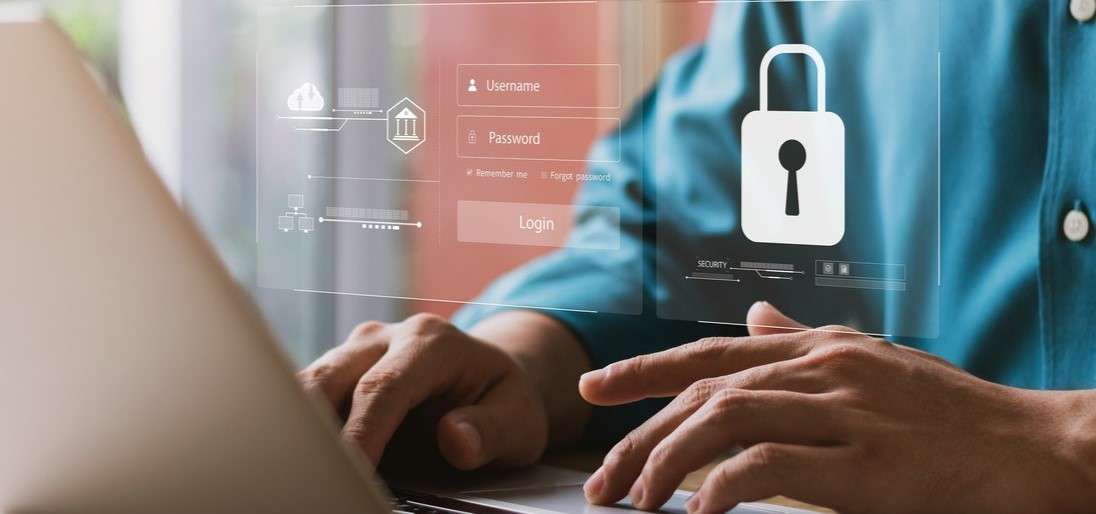
Your personal and financial information is highly valuable to scammers, and safeguarding it is essential. Protect important documents like passports, Social Security cards, and bank statements by keeping them in a safe, secure location and only carrying them when absolutely necessary. Shred any documents containing sensitive information before discarding them to avoid identity theft. Avoid sharing personal details like your Social Security number or bank account information unless it is absolutely required and only with verified entities. Regularly monitor your financial accounts for unauthorized activity and set up alerts to detect any suspicious transactions promptly. Use strong, unique passwords for all your online accounts and change them regularly.
Avoid using public Wi-Fi for accessing sensitive accounts or conducting financial transactions, as these networks are often insecure. If you must use public Wi-Fi, ensure your connection is protected with a virtual private network (VPN). Be cautious about sharing personal information on social media, as scammers can use publicly available data to target you or impersonate you.
Scams can feel overwhelming, especially when you are trying to adapt to a new environment. By staying informed, cautious, and proactive, you can protect yourself and your family from becoming victims. Always verify information, seek help from trusted resources, and report suspicious activities to the appropriate authorities. Remember, taking these steps ensures not only your safety but also contributes to a safer community for everyone.


