Finding a job in the United States can be a rewarding journey, but it requires preparation, effort, and understanding of the local job market. This guide provides practical tips for job seekers, covering everything from crafting a resume to understanding workplace rights.
STEP 1:
Writing a Resume Tailored for U.S. Employers

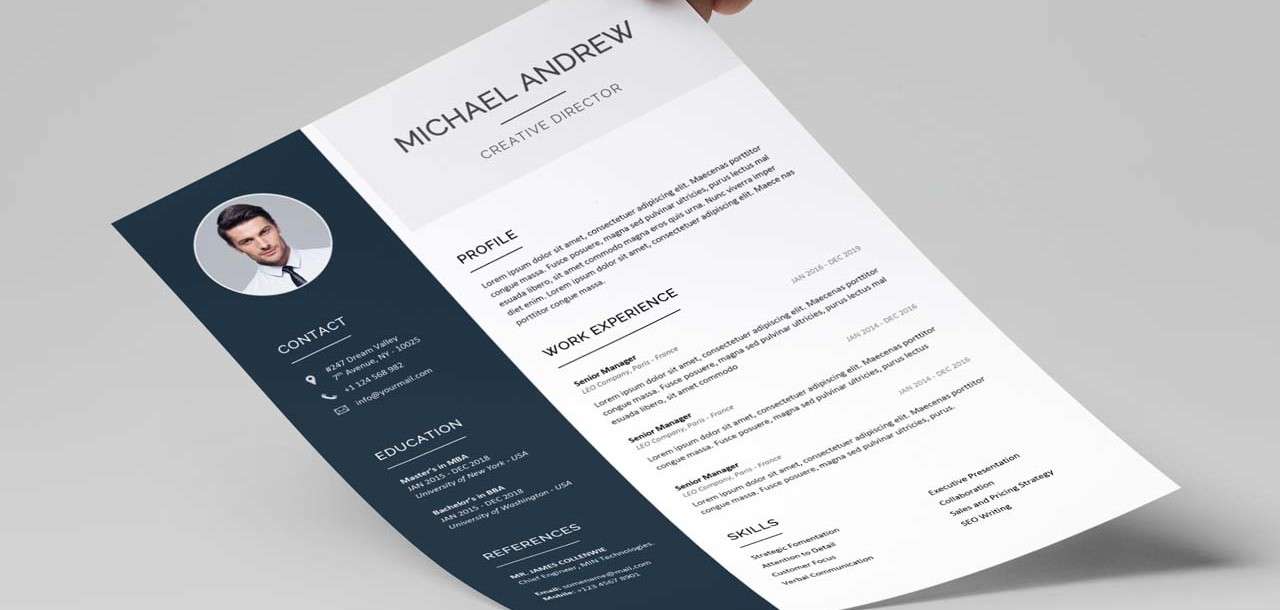
Your resume is your ticket to catching an employer’s attention. In the U.S., resumes are typically concise and focus on your most relevant experience and skills. To make your resume stand out, use a clean layout with clear sections. Include your contact information, a professional summary, your work experience, education, and a list of skills. You can also add certifications, volunteer work, and technical proficiencies if they enhance your candidacy. Customization is key—tailor your resume for each job application by emphasizing skills and experiences that align with the job description.
- Avoid including personal details such as a photo, age, marital status, or religion, as these are not standard practice in the U.S. job market.
- Use strong action verbs like “developed,” “managed,” or “led” to describe your accomplishments, and include measurable achievements whenever possible, such as “increased sales by 20%.”
- Make sure to proofread your resume carefully to avoid any spelling or grammatical errors that could leave a negative impression.
- Highlight transferable skills, especially if you are changing industries or roles. These could include communication, problem-solving, teamwork, and time management abilities.
Additionally, consider using industry-specific keywords that align with the job description to help your resume pass through applicant tracking systems (ATS) often used by employers. If you’re new to the workforce or re-entering it, include internships, freelance projects, or personal achievements that showcase your capabilities.
STEP 2:
Crafting a Compelling Cover Letter

A cover letter accompanies your resume and provides an opportunity to showcase your personality and explain why you’re the perfect fit for the role. Address the letter to the hiring manager by name whenever possible, and start with a strong opening that mentions the role you’re applying for.
Use this space to explain why you are excited about the position and how your skills and experiences align with the company’s mission and the job requirements.
- Be specific about how your unique skills and experiences can solve the employer’s problems or contribute to their goals. For instance, if you’ve successfully led a project that saved costs or improved efficiency, mention this and connect it to the needs of the prospective employer.
End your letter with a professional closing that expresses enthusiasm for the role and invites the employer to contact you for an interview. Keep the tone professional and engaging, avoiding generic statements that could be used for any position. Ensure your cover letter is no more than one page and aligns visually with your resume for a cohesive presentation.
STEP 3:
Navigating Job Boards and Networking

The U.S. job market offers various resources to help you find opportunities. Websites like Indeed, LinkedIn, Glassdoor, and Monster are popular platforms where employers frequently post job openings. Use filters to narrow your search by location, industry, and experience level. Many employers also post job openings on their official websites, so regularly check the “Careers” section of companies you are interested in. Subscribing to job alerts on these platforms can help you stay updated on new opportunities.
Networking is another critical aspect of job searching in the U.S. Join professional groups on LinkedIn, attend industry events, and reach out to your connections for referrals. Personal recommendations can significantly boost your chances of landing a job. Additionally, consider working with recruitment agencies that specialize in your field, as they can connect you with opportunities that align with your skills and goals.
STEP 4:
Preparing for Interviews

Interviews are your chance to make a lasting impression. Research the company’s history, mission, values, and recent news to demonstrate your interest and understanding of their organization.
- Prepare thoughtful questions to ask the interviewer, such as inquiries about the team, company culture, or the expectations for the role. These questions show that you’re genuinely interested in the position and have done your homework.
- Dress appropriately for the industry—when in doubt, lean towards business formal attire.
- Arrive on time, preferably 10-15 minutes early, and maintain good posture and eye contact during the interview to convey professionalism and confidence.
- Avoid interrupting the interviewer and listen attentively to their questions.
After the interview, send a thank-you email within 24 hours to express gratitude for the opportunity and reiterate your interest in the position. This small gesture can leave a positive impression. If there were multiple interviewers, personalize each message to include specific topics discussed with them. If the interview includes practical tasks or tests, make sure to review and prepare for these in advance to showcase your skills effectively.
STEP 5:
Understanding Workplace Rights

In the U.S., employees have specific rights and protections that are important to understand. Employers are prohibited from discriminating against employees based on race, colour, religion, sex, national origin, age, disability, or genetic information. The federal minimum wage is $7.25 per hour, though some states have higher minimums. Non-exempt employees must be paid overtime for hours worked over 40 in a workweek. Employers are required to provide a safe working environment under the Occupational Safety and Health Administration (OSHA).
Most U.S. employment is “at-will,” meaning either party can terminate the employment relationship at any time for any legal reason. Additionally, familiarize yourself with benefits you may be entitled to, such as health insurance, family and medical leave, and unemployment insurance, to ensure you are receiving fair treatment and support. If you face any workplace issues or suspect violations of your rights, resources like the Equal Employment Opportunity Commission (EEOC) or the Department of Labor can offer assistance.
Additional Tips
- Create an online presence to boost your visibility to potential employers. A professional LinkedIn profile is essential, and you may consider building an online portfolio if applicable to your field. Avoid posting anything on social media that could harm your professional image, as employers often check candidates’ online presence.
- Stay organized by tracking your job applications, including the positions you’ve applied for, dates, and contact information for follow-ups.
- Practice elevator pitches for networking events or career fairs, as these can help you confidently introduce yourself and explain your career goals. Always carry a few printed copies of your resume to these events and follow up with the contacts you make to keep the connection alive.
- Finally, beware of job scams. Legitimate employers will not ask for money upfront or require sensitive personal information before hiring. Be cautious of vague job descriptions, unsolicited offers, or employers who rush the hiring process without proper interviews.
Applying for a job in the U.S. involves preparation, persistence, and understanding of the job market. By crafting a tailored resume, writing a compelling cover letter, leveraging job boards and networking, and preparing thoroughly for interviews, you can position yourself as a strong candidate. Familiarize yourself with your workplace rights to ensure a fair and safe work experience. Approach your job search with determination and optimism. With the right strategies and mindset, you can achieve your career goals in the U.S. Good luck with your job search!