Blog

How to Keep Your Kitchen Trash Can Smelling Fresh

How to Keep Your Kitchen Trash Can Smelling Fresh

Ah, the kitchen trash can. That noble vessel of scraps and rejects. It stands quietly in the corner like a loyal squire, holding your onion skins, wilted lettuce, and that mysterious science experiment you found in the back of the fridge. But then—oh yes, then—the squire rebels. Suddenly, it smells less like a helpful sidekick and more like a dragon’s armpit. And what do we do when the dragon’s armpit rises up against us? We grab our scrub brushes, our vinegar, our baking soda, our peroxide, and our courage, and we march into battle.

Act I: The Reveal of the Villain

The lid lifts. The smell escapes. You gag. The dog looks personally offended. Even the fruit flies stage a protest march across the banana peel battlefield. This is no ordinary odor—it’s the kind of stench that could curl wallpaper and make neighbors whisper, “What are they cooking in there? Compost stew?”

But villains fear chemistry. A quick sprinkle of baking soda at the bottom of the can already begins its silent work, absorbing odor like a 

sponge with superpowers. Still, the deeper beast lurks in the plastic walls, and for that, only stronger magic will do.

Act II: The Sudsy Showdown

Fill the can with warm water and dish soap, then toss in a healthy splash of vinegar. Swish, slosh, swirl—give it the kind of rinse that would make a day spa jealous. The vinegar slices through lingering grease and stink like a knight’s blade.

Related: 7 Smart Ways to Deodorize Your Stinky Kitchen Trash Can, According to Janitors

Scrub the inside and lid with a brush. For stubborn grime, call in hydrogen peroxide—a fizzing white knight that bubbles away stains and lurking bacteria. When peroxide foams, imagine it shouting, “Begone, foul stench!” Rinse it all down, watch the filth vanish like stage props pulled off after a bad scene, and suddenly the air is lighter, fresher—your trash can exhales in relief.

Act III: The Magic Dust and the Final Bow

Now comes the blessing. Sprinkle more baking soda inside the dry can like fairy dust from the pantry kingdom. It waits quietly, devouring future odors before they ever rise. For a scented encore, tuck in a few cotton balls with essential oils—lavender, citrus, peppermint—or even a dab of vinegar-soaked paper towel for a sharper edge.

It may be interesting for you: Comprehensive Steps to Clean your Wheelie Bin Properly

And if you want armor against the enemy’s return, line the bottom with newspaper or dryer sheets to catch drips, and double-bag when you face the dreaded trash juice (that forbidden cocktail of leftovers, coffee grounds, and despair).

The curtain falls. The trash can gleams. You stand victorious, mop raised like Excalibur. No dragon’s armpit, no villain’s sock drawer, no whispers of doom—just freshness. Take a bow, hero of the kitchen. The kingdom applauds. 🌟

How to Disinfect Different Kinds of Cutting Boards

How to Disinfect Different Kinds of Cutting Boards

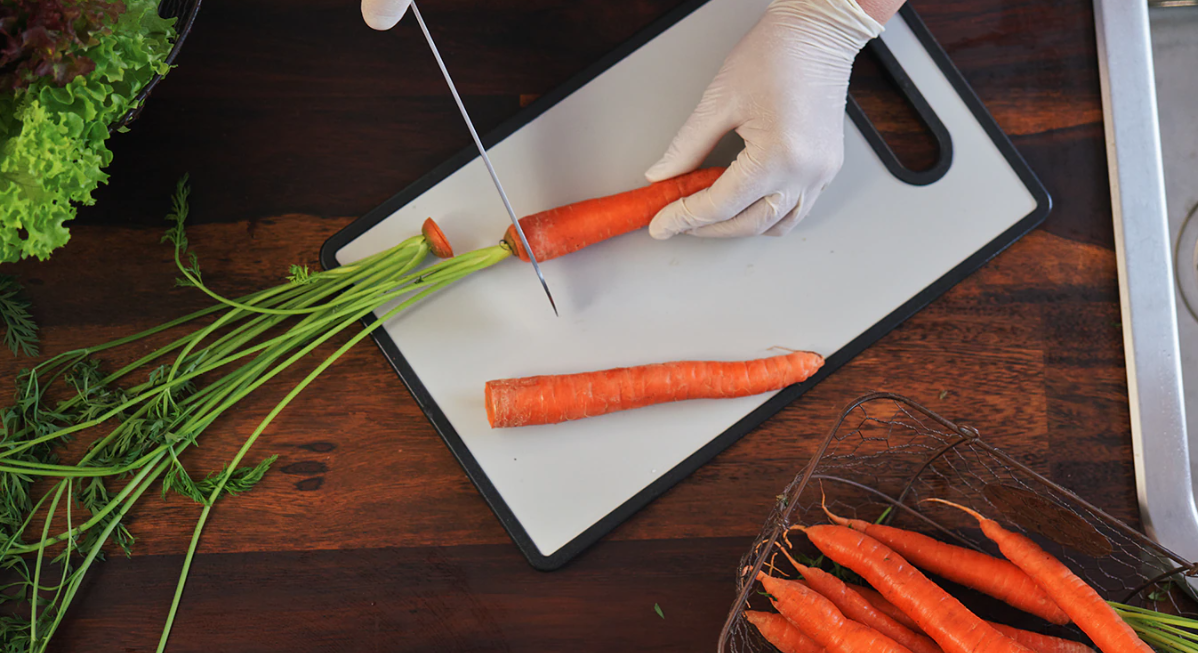
Ladies, gentlemen, and culinary daredevils—welcome to the Cutting Board Cabaret! Tonight, under the bright kitchen lights, we gather not just one brave hero, but an ensemble cast of culinary stages. Wooden boards, plastic boards, bamboo beauties, and even the sleek divas of glass—they’re all here. Each one has hosted carrots, courgettes, chickens, cheeses, and the occasional midnight sandwich, and each one needs a cleansing ritual worthy of the great kitchens of the world.

For what is a cutting board if not a silent witness to your chopping, slicing, and occasional sobbing while dicing onions? But oh, behind those slices lies the danger: bacteria, lurking like hecklers in the back row. Fear not! Tonight, we disinfect. We purify. We give every cutting board its standing ovation.

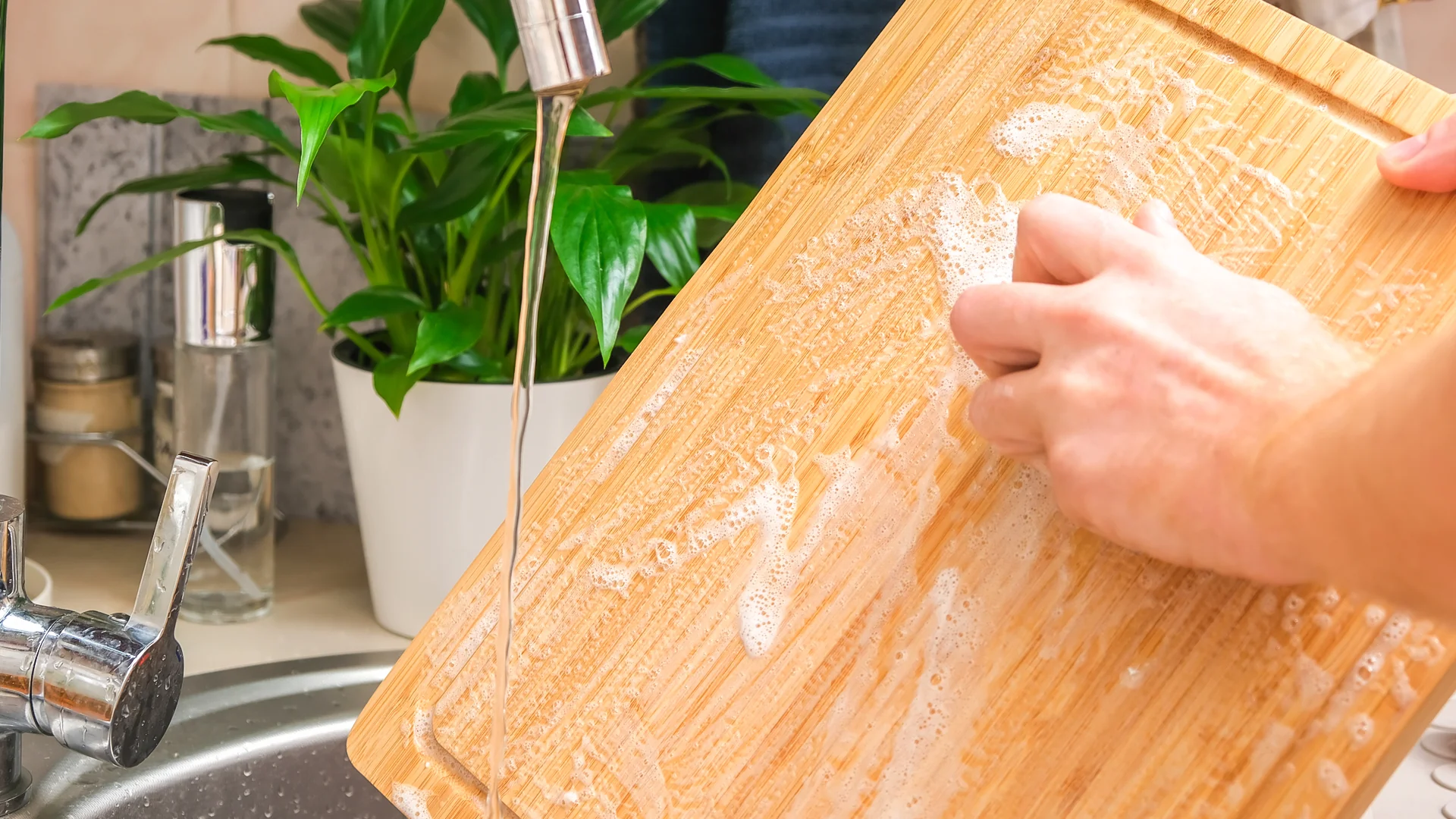
Ah, the wooden cutting board—the Shakespeare of the stage. Heavy, classic, timeless, carrying the gravitas of oak and maple. But wood is porous, a sponge of secrets, soaking up garlic whispers and chicken confessions.

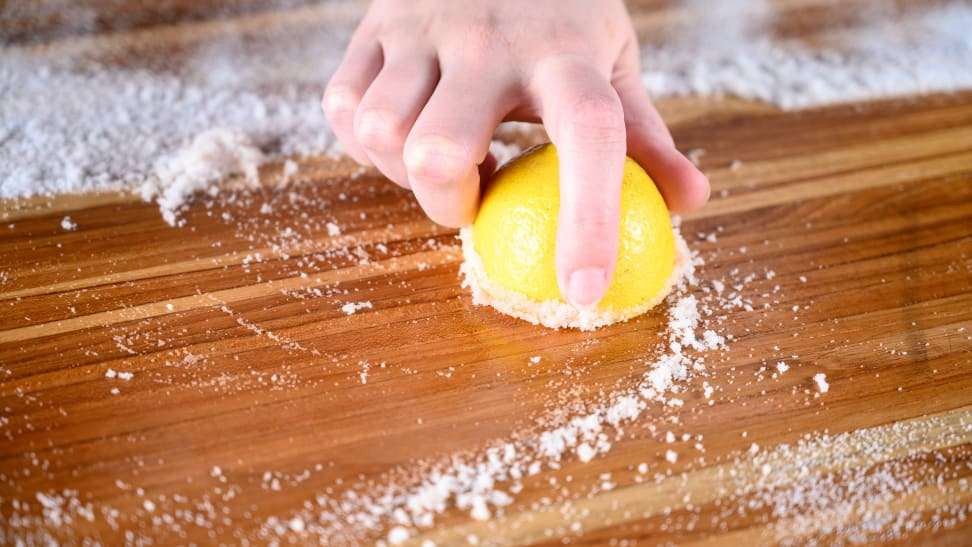
To disinfect, begin with a scrub of hot water and gentle soap—nothing harsh, no boiling water, or you’ll warp it like a violin left in the rain. Then call upon the lemon and salt tango: sprinkle coarse salt and scrub with half a lemon, letting the citrus juice seep into the grooves. The board sighs with relief as the salt scours away yesterday’s sins.

For an encore, a splash of vinegar or a spritz of hydrogen peroxide will banish any stragglers. Dry it upright, proud, like a knight resting after battle. And don’t forget its elixir of youth: a rub of mineral oil to keep it supple and shining, forever ready for the next feast.

Now, the plastic board—the modern pop star of the cutting board world. Cheap, colorful, stackable. Plastic doesn’t soak in the drama like wood, but oh, it clings to scratches where bacteria hide like mischievous understudies.

Fear not! Plastic boards love a good spa day in the dishwasher. Send them on that high-heat rollercoaster, and watch the germs faint from exhaustion. If you don’t have a dishwasher, scrub them with hot soapy water, then give them a bath in diluted bleach: one tablespoon of bleach per gallon of water, a sanitizing potion strong enough to make microbes cry.

Read more: Kitchen cutting board: how to choose the right one?

Unlike wood, these boards don’t need oil, don’t need tender caresses—they’re tougher, but shorter-lived. When they get too scarred, retire them. Every performer deserves to leave the stage with dignity.

Enter bamboo, the eco-friendly starlet. Sleek, stylish, and sustainable—like the yoga teacher of the cutting board world. Stronger and less porous than wood, but still needing a bit of TLC.

Clean bamboo like you would wood—gentle soap and warm water, a lemon-salt scrub for drama, and never a soak in the sink. Bamboo hates drowning; it prefers a light mist of vinegar or hydrogen peroxide for disinfection.

And yes, bamboo adores its moisturizer, too. Rub with food-grade mineral oil or bamboo conditioner, and it will glow like it just came back from a retreat in Bali.

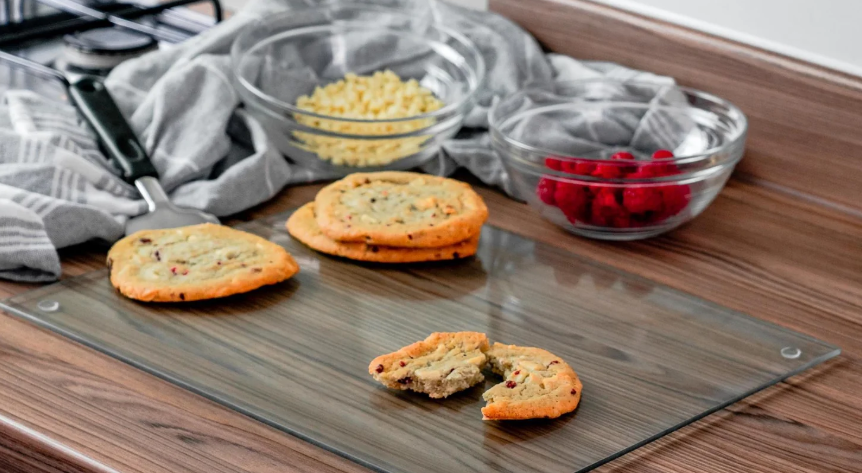
Now, the glass cutting board—oh, the glamorous diva of the kitchen. Sparkling, stylish, easy to clean, and merciless on your poor knives. Chop onions on it, and you’ll feel like you’re in a concert hall. Slice tomatoes, and the clatter echoes like applause.

The beauty of glass is that it doesn’t hold grudges. Non-porous, it doesn’t absorb, it doesn’t stain. To disinfect? Easy—just wash with soap and water, then give it a hot rinse. Or toss it into the dishwasher for the sterilizing sauna. Germs don’t stand a chance.

But beware: while it stays pristine, it secretly dulls your knives, sharpening bills instead of blades. Handle with care, and let it sparkle on the side as a glamorous guest star.

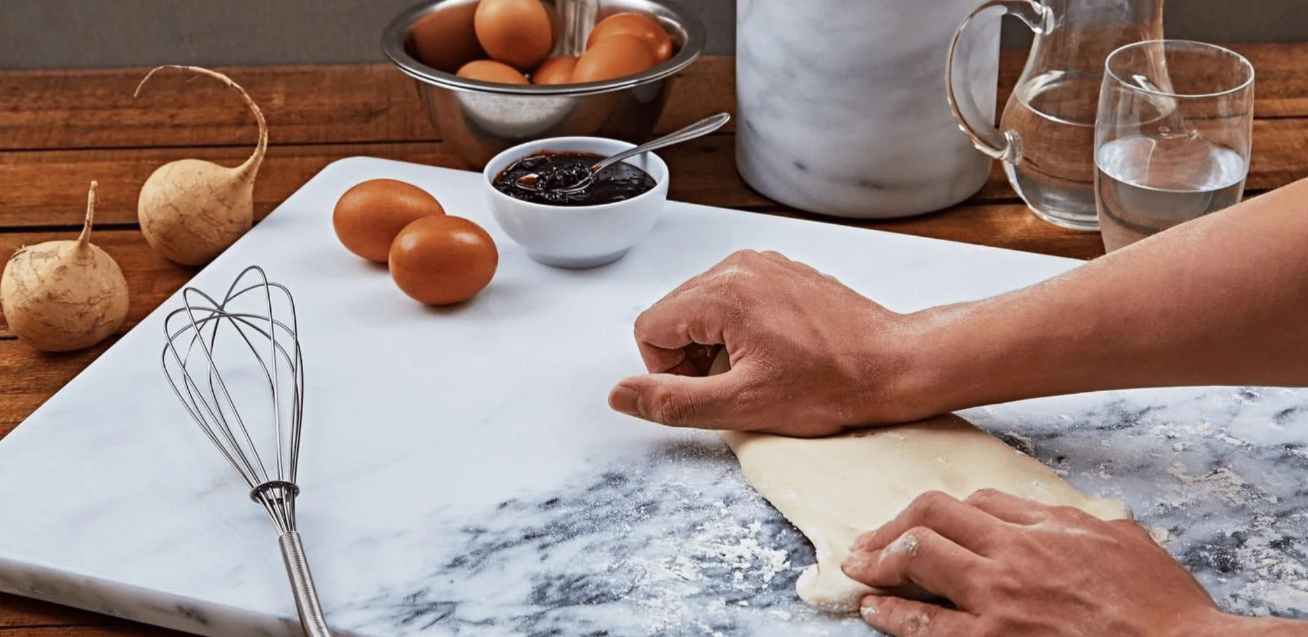
Some of you, oh fancy folk, may have marble or stone cutting boards. Gorgeous, dramatic, but heavy as a Greek tragedy. These boards, like glass, are non-porous and easy to disinfect with simple soap and water or a vinegar spritz.

Related: How To Clean a Marble Table

But remember—stone is prone to etching from strong acids, so don’t go scrubbing it with lemons like you’re cleansing your soul. A mild disinfectant spray is enough, followed by a gentle dry with a soft towel. These boards are less cutting stages, more cheese-and-charcuterie red carpets. Treat them as such.

Disinfection is not just hygiene—it is theater, it is ritual, it is your solemn vow as master of the kitchen stage. So scrub, spritz, rinse, and dry, knowing that you are not merely cleaning—you are commanding an orchestra of cleanliness.

Take a bow, maestro of disinfectants. Your cutting boards stand ready, gleaming under the kitchen lights, awaiting their next performance. Bravo!

The Magnificent Cooler Resurrection Show

The Magnificent Cooler Resurrection Show

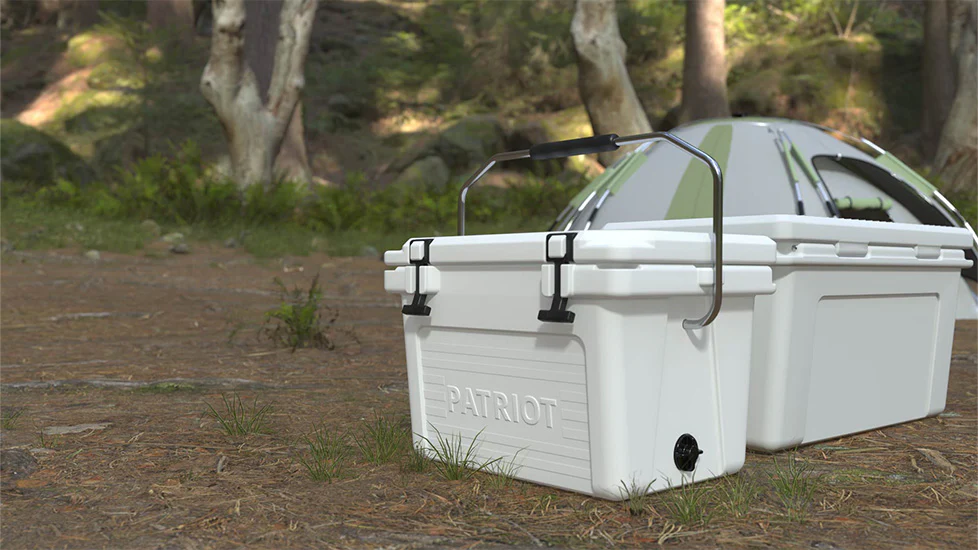
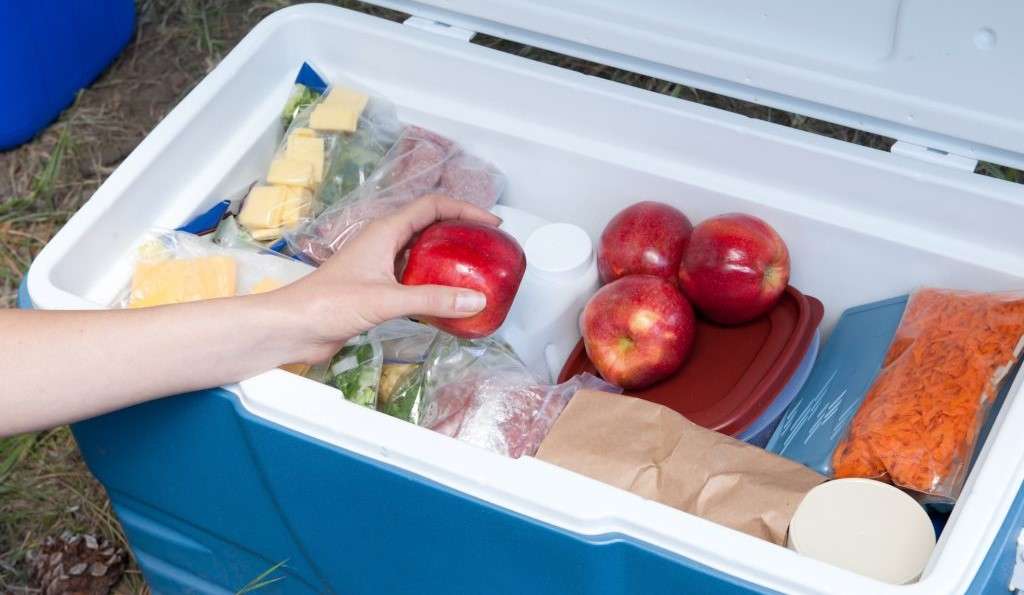
The spotlight falls on the cooler — humble, silent, loyal. It doesn’t flaunt itself on social media or seek applause. It simply waits in the trunk of your car, guarding its treasure: chilled watermelon, crisp soda, cheese cubes glowing with suspiciously cheerful orange.

It has braved summer sandstorms, camping mudslides, and sat stoically through your roadside karaoke sessions. It’s endured sticky-handed juice box raids and beer spills without a single complaint.

But today, it is no hero — it is a relic. Melted ice has formed a stagnant lagoon at its base. Mysterious meat juices swirl in shades no painter should attempt. A ghostly aroma — perhaps from that potato salad — seeps into the air. You’ve shoved it into the garage, swearing to deal with it later.

Later has arrived. And you? You’re here for redemption.

A cooler is not just a box — it is a traveling banquet hall, a portable pantry, a chilly cathedral for your food. And like any sacred space, it cannot be left to the creeping forces of mildew, mold, and bacteria.

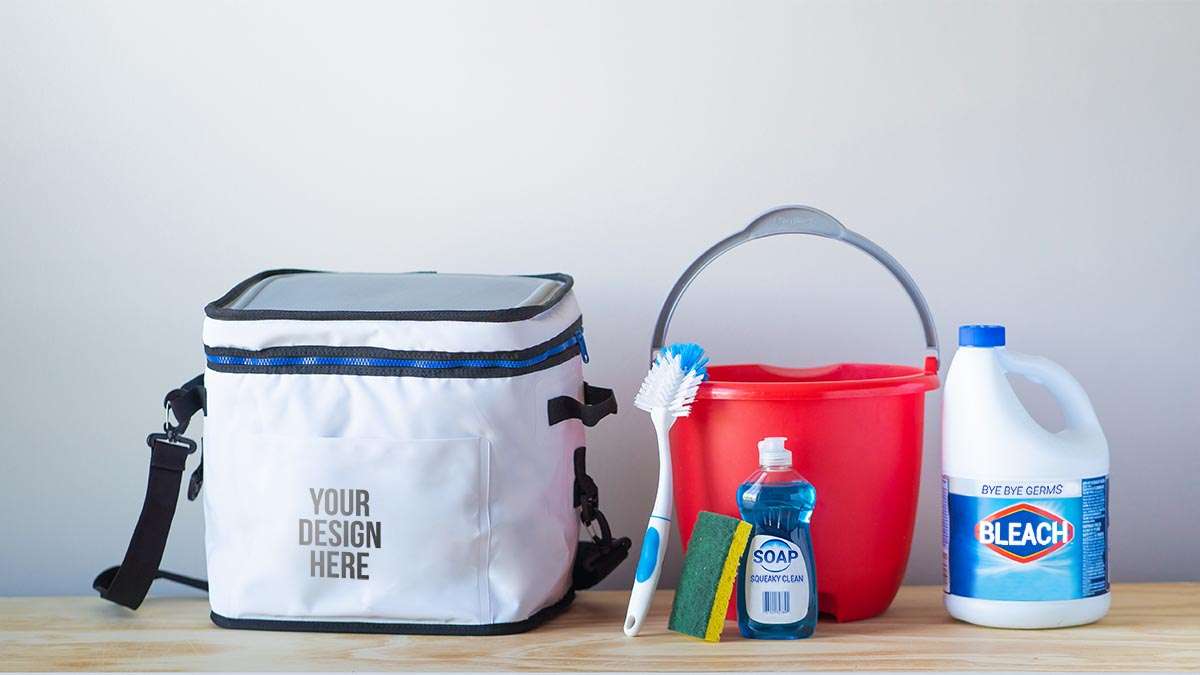
Warm water, shimmering like a crystal pool, is joined by a dignified splash of dish soap. The sponge enters, gliding over every surface with reverence. Hinges receive a loving polish. The drain plug is coaxed into cleanliness. Even the shy corners get their moment in the spotlight.

The rinse comes like a baptism — water cascading in endless abundance, washing away the last traces of soap. Then the desert wind finale: the cooler sits open, basking in sunlight, breathing in fresh air like a lizard on a warm rock. Moisture flees; mildew’s romance is over.

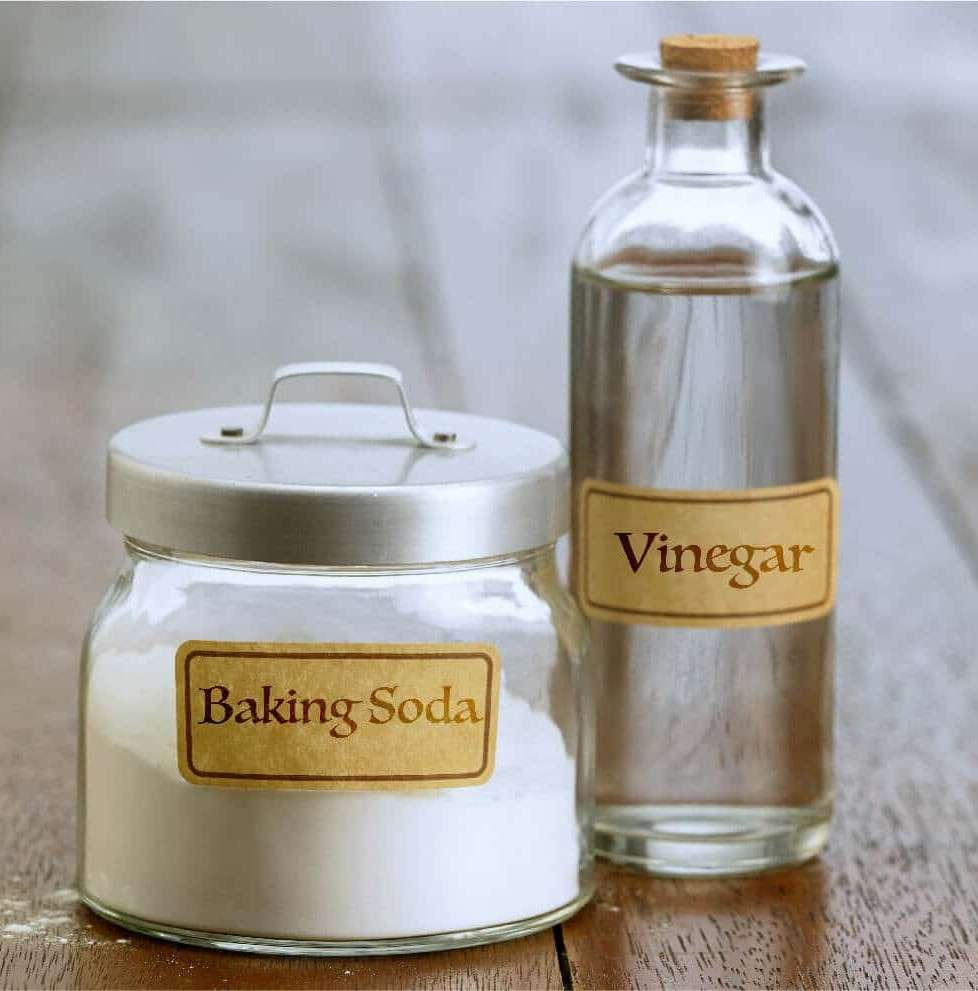
But sometimes, even the grandest wash cannot silence the ghost. The cooler whispers, “Remember the shrimp?” in a voice that curdles milk. The battle begins with a silent snowfall of baking soda, left overnight to absorb the darkness. Then comes the vinegar baptism — equal parts vinegar and water, swirling through the chamber, loosening the grip of invisible demons.

Finally, the lemon blessing: juice smeared along the interior walls, sunlight pouring in, transforming the air into something bright and citrus-clean.

Some smells are stubborn divas; they may require more than one act to leave the stage.

Some scars are romantic; others are not. These are not tales of valiant journeys but the blotches of abandoned coleslaw and sticky soda.

To heal them, you create a thick paste of baking soda and hydrogen peroxide, smoothing it over the wounds like a salve. It rests there, working its alchemy, before being scrubbed away in a flurry of righteous vengeance.

Or you take up the magic eraser, watching scuffs dissolve as though erased from history. But you treat the plastic with care, for it can be as sensitive as an artist in a thunderstorm.

The best cure for cooler chaos is vigilance. You keep freezer packs instead of loose ice to avoid swampy aftermaths. You ensure it is dry before you let it rest in storage. You leave the lid ajar so fresh air can wander in. A quiet bowl of baking soda waits inside, silently absorbing trouble before it begins.

These are the habits of a cooler guardian — the difference between a fresh-smelling companion and a portable disaster.

Sometimes, the cooler is but one rebel in a kingdom of grime. The kitchen, the garage, the whole house may have joined the conspiracy of mess. This is when you summon the cleaning cavalry — the microfiber knights, the soap-slinging champions who sweep in with swift justice and leave your realm gleaming.

The cooler stands before you, gleaming, reborn. No stains, no scents, no lingering shame. It is more than a box — it is a vessel of joy, a portable feast, a testament to your domestic bravery.

Now, fill it, close the lid, and send it boldly into the world. Adventure awaits.