Blog

Accessing Free or Low-Cost Healthcare

Accessing Free or Low-Cost Healthcare

Healthcare in the United States can feel overwhelming, especially for newcomers adjusting to a different system. For Ukrainians who are new to the U.S., accessing affordable or even free healthcare is crucial. 

If you’ve arrived in the U.S. as a refugee, you are likely eligible for specific healthcare benefits. Refugee Medical Assistance (RMA) is a program that provides up to eight months of coverage to newly arrived refugees. Local resettlement agencies often assist in applying for this program, so make sure to ask your caseworker about it.

Additionally, many organizations that support refugees offer healthcare navigation services. They can help you understand your options and connect you with clinics or hospitals that cater to low-income or uninsured individuals.
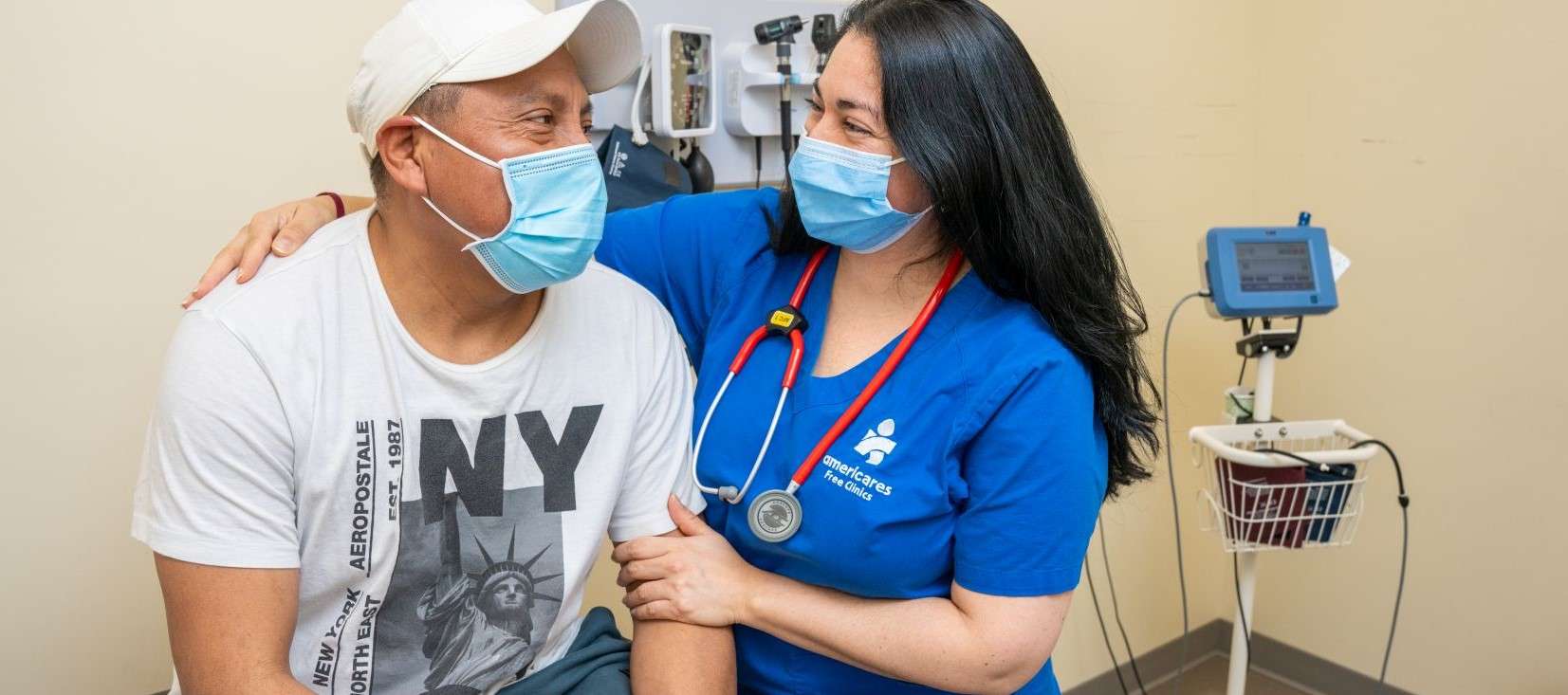
Many communities in the U.S. have clinics that provide free or low-cost healthcare services. These clinics are often run by nonprofit organizations or religious groups and cater specifically to uninsured or underinsured patients. These clinics provide an accessible option for individuals who might otherwise forego care due to cost.

Look for Federally Qualified Health Centers (FQHCs), which are community-based clinics offering comprehensive care regardless of your ability to pay. These centers operate with the goal of ensuring that healthcare is available to everyone, including underserved populations. FQHCs often provide a wide range of services under one roof, making them a convenient option for comprehensive care. You can find an FQHC near you by visiting the Health Resources and Services Administration (HRSA) website.

Many of these clinics also provide additional support, such as assistance with accessing affordable medications, health education programs, and referrals to specialists. Some even have multilingual staff or interpreters to ensure that language barriers do not hinder access to care.

The services typically offered by these centers include:

  • General Medical Care: This includes routine check-ups, physical exams, and treatment for common illnesses or injuries.
  • Vaccinations: Stay up to date on required and recommended immunizations, which are often available at little or no cost.
  • Women’s Health Services: These can include prenatal care, family planning, breast and cervical cancer screenings, and more.
  • Pediatric Care: FQHCs provide essential healthcare for children, including growth monitoring, vaccinations, and treatment for childhood illnesses.
  • Dental Services: Many clinics also offer basic dental care, such as cleanings, fillings, and extractions.
Medicaid is a government-funded program that provides free or low-cost health insurance to eligible individuals and families. Eligibility varies by state but generally depends on income level, family size, and other criteria. Refugees and immigrants who meet the requirements can often qualify for this essential program, which covers doctor visits, hospital stays, and prescriptions.

To apply, visit your state’s Medicaid website or healthcare.gov to review eligibility and complete the application online. Alternatively, you can request a paper form. You will need to provide documentation, such as proof of income, residency, and immigration status. After submission, it may take a few weeks for approval. During this time, check your application status and provide any additional information if requested.
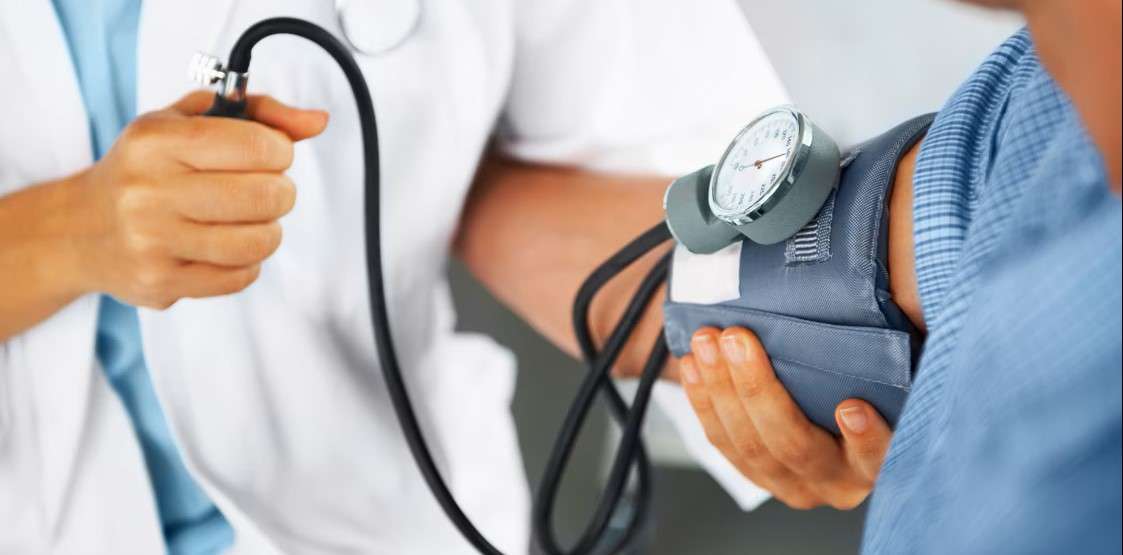
If you have a chronic condition like diabetes, asthma, or high blood pressure, managing it without insurance can be hard. Community health centers can help. These centers often offer affordable care for chronic issues, including regular check-ups and medication management. They also use sliding scale fees, so the cost is based on your income.

Nonprofit organizations and disease-specific groups, like the American Diabetes Association or the American Heart Association, also provide support. They may have free programs, educational materials, or discounts for medications. Public health departments in your area may offer additional resources to help you manage your condition.

Mental health is just as important as physical health, and there are free or low-cost resources available to support you. Many community health centers offer mental health counselling as part of their services. These services can include individual therapy, group therapy, and crisis intervention.

Nonprofit organizations, religious groups, and refugee resettlement agencies often provide free counselling services tailored to the needs of immigrants and refugees. Platforms like the National Alliance on Mental Illness (NAMI) also offer free helplines, support groups, and educational resources. Some organizations even provide therapy in multiple languages, ensuring language barriers do not prevent you from getting help.

If you are feeling overwhelmed, don’t hesitate to reach out. Support is available to help you manage stress, anxiety, depression, or any other mental health challenges you may be facing.
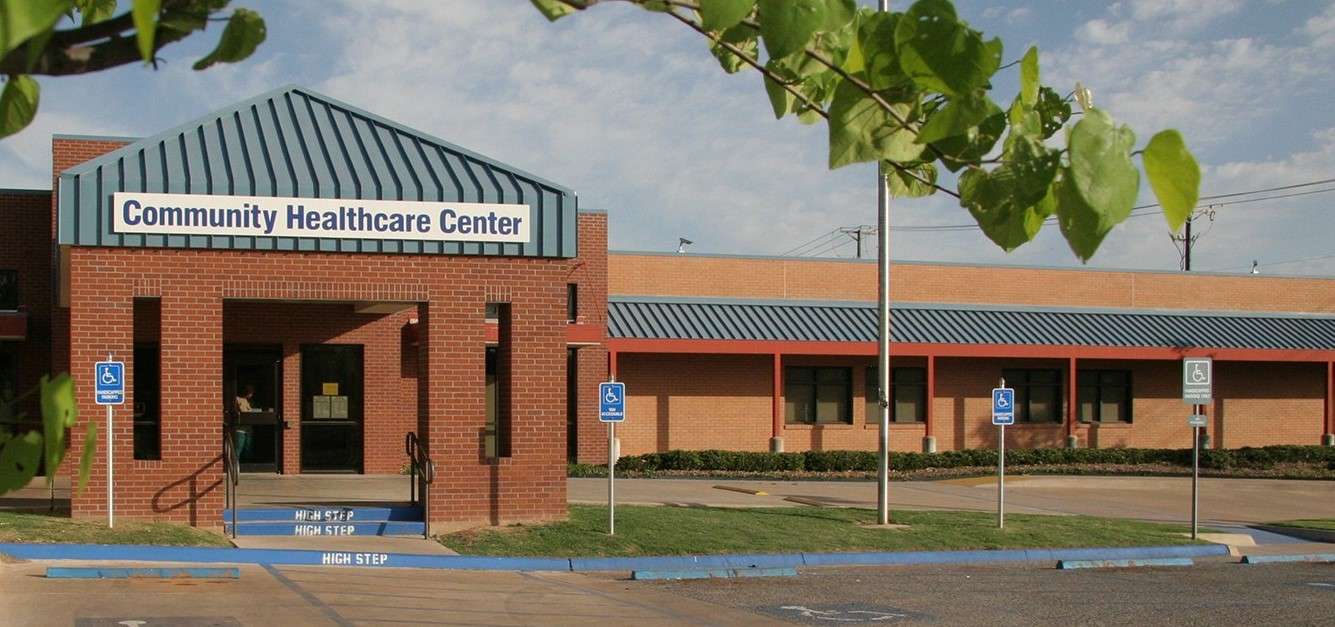
Community health centers are a vital resource for affordable healthcare in the U.S. These centers offer a wide range of services to individuals and families, regardless of their ability to pay or immigration status. Services often include general medical care, vaccinations, dental care, and prescription assistance. Many community health centers also provide prenatal care, chronic disease management, and mental health services.

One of the main advantages of using community health centers is their sliding fee scale, which adjusts costs based on your income. They also often have multilingual staff or access to interpreters, making it easier for non-English speakers to communicate their needs. To find a community health center near you, you can search online or ask local social services for recommendations. These centers are designed to be accessible and supportive, ensuring everyone can receive the care they need.

Navigating the U.S. healthcare system can be challenging, but there are many resources available to help you access affordable or free healthcare. Whether it’s through Medicaid, community health centers, free mental health counseling, or support for chronic health issues, you don’t have to face these challenges alone. Take advantage of the programs and organizations designed to support newcomers like you. By seeking out these services, you can focus on staying healthy and building a new life with confidence.

Accessing Preventive Healthcare

Accessing Preventive Healthcare

Navigating healthcare in a new country can be overwhelming, especially when trying to find affordable and accessible medical services. Preventive healthcare is essential for maintaining overall well-being, catching potential health issues early, and ensuring that you and your family stay protected against preventable diseases.

 Preventive Healthcare Matters

Moving to a new country is an exciting yet challenging journey, and one of the most important things to prioritize is your health. In the United States, preventive healthcare plays a crucial role in keeping individuals and families healthy, ensuring that small health concerns don’t turn into bigger problems.

Preventive healthcare is all about staying ahead of potential health issues before they become serious. Instead of waiting until you feel sick, regular check-ups help detect health problems early when they are easier and cheaper to treat.

Some of the biggest benefits of preventive healthcare include lower medical costs since treating illnesses early is far less expensive than emergency hospital visits, better long-term health because routine screenings can detect issues like high blood pressure, diabetes, and cancer in their early stages, receiving required vaccines that are necessary for school, work, and immigration requirements, and having a stronger immune system by staying up to date with vaccines that help protect you and your family from preventable diseases like flu, measles, and COVID-19.

Finding Free or Low-Cost Clinics

One of the biggest concerns for refugees is affording healthcare. Luckily, the U.S. has a variety of free and low-cost healthcare options available.

Community Health Centers (CHCs) are federally funded clinics that provide medical, dental, and mental health services regardless of insurance status or income. You pay based on your ability to afford care, and some services may be completely free.

Free and Charitable Clinics are operated by many nonprofit organizations and churches, offering free or sliding-scale clinics that serve uninsured or low-income patients. Your state or county health department may also provide free vaccinations, family planning services, and basic health screenings.

If you have a non-life-threatening illness or injury, visiting an urgent care center instead of an emergency room (ER) can help you avoid high costs. Emergency rooms should only be used for serious emergencies like heart attacks, severe injuries, or difficulty breathing.

Importance of Regular Vaccinations

Vaccinations are an essential part of preventive healthcare, protecting you and your family from dangerous diseases. They not only safeguard individuals but also help to prevent the spread of contagious illnesses in the community. Vaccines are particularly important for young children, older adults, and individuals with weakened immune systems.

Certain vaccinations are mandatory for school enrollment, immigration processes, and specific jobs, ensuring that individuals meet public health requirements. Some of the most recommended vaccines include:

  • Flu Shot – Recommended annually to protect against seasonal influenza.

  • COVID-19 Vaccine – Helps prevent severe illness and hospitalization.

  • Tetanus (Tdap) Shot – Protects against tetanus, diphtheria, and whooping cough.

  • MMR Vaccine – Shields against measles, mumps, and rubella.

  • Hepatitis B Vaccine – Prevents liver infections and long-term complications.

Many states offer free or low-cost vaccination programs through community clinics, health departments, and pharmacies. Ensuring that your immunizations are up to date is a critical step in maintaining long-term health and preventing the resurgence of preventable diseases.

Scheduling Annual Check-Ups

An annual check-up helps detect health issues early and ensures you receive necessary vaccinations, screenings, and medical advice. These visits allow doctors to monitor key health markers such as blood pressure, cholesterol levels, and weight, helping to identify risk factors for conditions like diabetes and heart disease. Preventive care during check-ups can also include cancer screenings, lifestyle recommendations, and early detection of potential health concerns. Regular visits create an opportunity to establish a relationship with a healthcare provider who can track your health history over time and offer personalized guidance.

To schedule a check-up, individuals can check if they qualify for Medicaid, which provides free medical services for low-income individuals. Community Health Centers and free clinics also offer affordable or no-cost check-ups for those without insurance. Many workplaces and local organizations also provide free health screenings through health fairs and wellness programs. Even if you feel fine, routine check-ups are crucial for long-term health, reducing the likelihood of unexpected medical issues, and ensuring early intervention when needed. These visits allow doctors to monitor key health markers, provide preventive care, and refer patients to specialists if needed. 

How to Access Free Dental Care

Dental care in the U.S. can be expensive, but poor dental health can lead to serious health problems like infections, gum disease, and even heart disease. Regular dental check-ups are essential for maintaining oral health, preventing tooth decay, and detecting issues before they become severe. Many people avoid dental visits due to high costs, but several options can help make dental care more accessible.

There are several ways to get free or low-cost dental care.

  • Many Community Health Centers provide low-cost or free dental services, including cleanings, fillings, and extractions. Dental schools often offer affordable treatments performed by supervised students, providing quality care at reduced rates.
  • Some nonprofit groups like Mission of Mercy and Free Dental Clinics host special events offering free dental services to those in need.
  • Low-income children and some adults may qualify for free dental coverage through Medicaid and CHIP, ensuring that essential dental care remains accessible to those who need it most. 

Using Community Health Resources

There are many organizations and programs that help refugees access healthcare, ensuring they receive necessary medical services regardless of their financial situation.

  • Health Insurance Navigators can guide individuals through the process of applying for Medicaid or low-cost insurance, making healthcare more accessible.
  • Many pharmacies, such as CVS and Walmart, offer prescription discount programs, helping those without insurance afford necessary medications.
  • Refugee Medical Assistance (RMA) provides temporary health insurance for eligible refugees, offering coverage for essential health services during their transition period.
  • Women, Infants, and Children (WIC) supports low-income mothers and young children by providing access to medical care, nutrition programs, and health education.

These resources play a crucial role in maintaining good health and ensuring that refugees can access preventive and emergency medical care when needed.

Accessing preventive healthcare in the U.S. can seem overwhelming, but many resources are available to help keep you and your family healthy. Remember to find a low-cost or free clinic in your area, schedule annual check-ups and vaccinations, look for dental care options if you need them, and use community health resources for additional support. Your health is one of your most valuable assets—taking small steps today can lead to a longer, healthier life for you and your loved ones.


Healthy Eating on a Budget

Healthy Eating on a Budget

Eating healthy in the United States can seem expensive, but with the right strategies, you can enjoy nutritious meals while staying within your budget. It’s all about smart shopping, meal planning, and knowing where to find the best deals. Many people assume that eating healthy requires purchasing expensive organic foods, but this is not the case. dable and healthy food options.

Shopping at Discount Grocery Stores

Finding the right grocery stores can make a big difference in your budget. Discount stores like Aldi, Save-A-Lot, and Dollar General often sell healthy food at lower prices, making them excellent options for budget-conscious shoppers. Many major supermarkets also have clearance sections where you can find deeply discounted items that are close to their expiration date but still safe to consume. It’s also beneficial to explore ethnic grocery stores, which often carry fresh produce, grains, beans, and spices at lower prices compared to mainstream supermarkets.

These stores frequently offer bulk discounts on staple foods that are integral to many different cuisines. Look for weekly sales and promotions at major chains like Walmart, Kroger, or Safeway to maximize your savings. Some stores also have loyalty programs that offer additional discounts, digital coupons, or cashback rewards, which can further reduce your overall grocery expenses.

Meal Planning for the Week

Planning your meals ahead of time helps prevent food waste and unnecessary spending. Before shopping, make a list based on meals you plan to cook for the week, ensuring you only buy what you need. This prevents impulse purchases that can quickly add up. Stick to simple and versatile ingredients that can be used in multiple meals. For example, a bag of rice, a pack of chicken, and some vegetables can be turned into several different dishes, such as stir-fries, soups, and casseroles.

Cooking large batches of food and storing leftovers for future meals saves both time and money. Leftovers can be repurposed into different meals, preventing boredom and reducing food waste. Focus on meals that require minimal ingredients but still provide balanced nutrition, such as soups, stir-fries, and casseroles. By developing a habit of meal planning, you can create healthy meals that fit your budget without feeling overwhelmed.

Buying in Bulk to Save Money

Purchasing food in bulk is one of the best ways to cut costs while ensuring you always have essential ingredients on hand. Look for bulk sections in grocery stores where you can buy grains, pasta, beans, and nuts at a lower price per pound. These staple items have a long shelf life and can be used in various meals, making them a worthwhile investment.

Warehouse stores like Costco and Sam’s Club offer bulk discounts on essential items, including rice, flour, cooking oil, and frozen foods, but you may need a membership to shop there. If buying large quantities, make sure you have adequate storage space and use airtight containers to keep food fresh for longer periods. Dry goods such as lentils, oatmeal, and whole grains store well for months, making bulk purchases a smart long-term strategy. If you don’t need a large amount of a particular item, consider teaming up with friends or family members to split bulk purchases, ensuring that everyone benefits from the savings.

Finding Local Food Pantries

If your grocery budget is tight, food pantries can provide free nutritious food to help supplement your meals. Many community organizations, churches, and food banks offer fresh produce, canned goods, dairy, and meats to those in need. These resources are designed to help individuals and families who are struggling to afford groceries, and they can be a valuable safety net.

The Feeding America website can help you locate food pantries near you by simply entering your zip code. Additionally, local community centers or Ukrainian support groups may have food distribution programs specifically for newly arrived refugees. Some food pantries operate on a first-come, first-served basis, so it’s important to check their schedules and arrive early. By taking advantage of these resources, you can supplement your grocery shopping with healthy options while staying within your budget.

Couponing!

Coupons are a great way to save money on groceries, and they are widely available both online and in print. Many grocery stores offer digital coupons through their apps or websites, allowing you to apply discounts directly at checkout. Paper coupons can often be found in local newspapers, store flyers, and mail advertisements. Websites like Coupons.com provide printable coupons for various grocery items, making it easy to save on everyday essentials.

Some stores offer “buy one, get one free” deals or percentage discounts on staple foods, which can significantly reduce costs. Additionally, certain grocery stores double coupons on specific days, allowing for even bigger savings. Keeping an eye out for manufacturer coupons on household essentials, dairy, and pantry staples can help you maximize your budget. By combining store promotions with coupons, you can significantly lower your grocery bill over time.

Eating healthy on a budget is possible with the right approach. Smart shopping, meal planning, buying in bulk, and using coupons can make nutritious food more affordable without sacrificing quality. Take advantage of discount stores and food pantries to supplement your grocery needs, and don’t be afraid to explore different shopping options to find the best deals.