
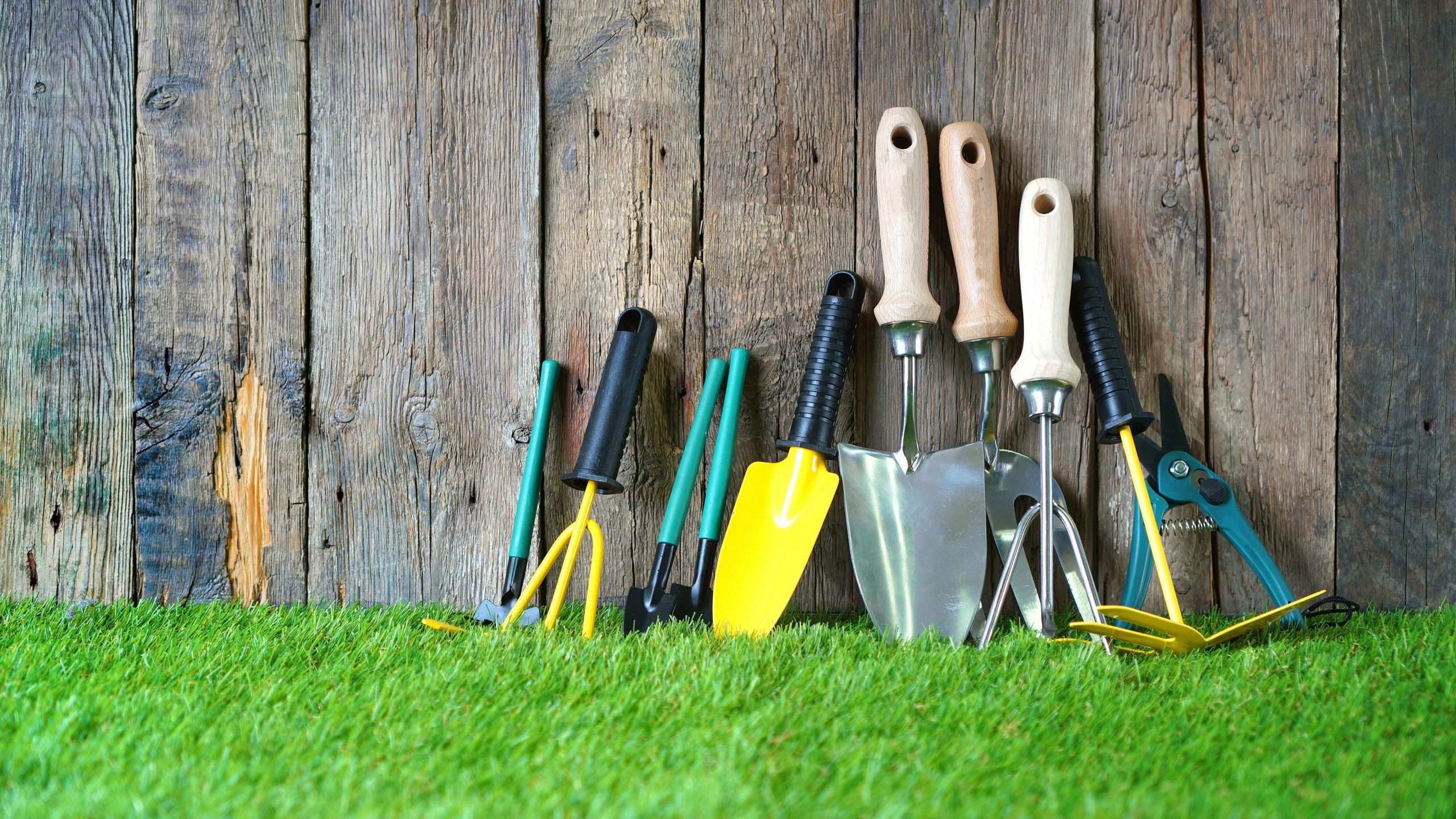
You’ve tilled the earth like a vegetable Viking. You’ve battled bindweed. You’ve stared down squirrels. But now, as the last leaf flutters past and your garden yawns into winter, you look down at your hands—and they’re holding something gritty. Something noble. Something crusty with soil, sap, and the memory of glorious harvests.
Your garden tools! They’re tired. They’re dirty. Some creak like haunted violins. But oh—they were loyal. Your rake rallied during leaf rebellions. Your shovel bore the weight of pumpkins. Your pruners? Tiny scissor gods.
Now it’s your turn, o Guardian of the Green, to give them a ritual worthy of Olympus. This isn’t just cleaning. This is garden soul alchemy.
The garden is still. The tomatoes have perished like overdramatic actors in a tragic opera. The cucumbers have gone flaccid. The mint has taken over the east side like a fragrant warlord. But in the corner of the shed… your tools wait.
There’s mud. There’s mystery. There’s a suspicious fuzz on your hoe that may or may not have formed a union.
This, dear digger, is your moment. Collect them all—the spades, the shears, the trowel with a chip that looks like it’s winking—and prepare to perform your seasonal miracle.

Step one: the baptism.
Fill a basin, bucket, or enchanted trough with warm water. Invite your grimy comrades in. Let them soak like old warriors in a hot spring. But don’t stop there—bring in the big magic.
🌟 Vinegar, noble acid of ancient kitchen sorcery—pour it in.
✨ Baking soda, the effervescent rebel—sprinkle with flair.
Fizz! Froth! Foam! Behold the bubbling symphony! It’s a fizzing, hissing, grime-destroying spectacle as the duo dissolves sap, rust, and last month’s compost.
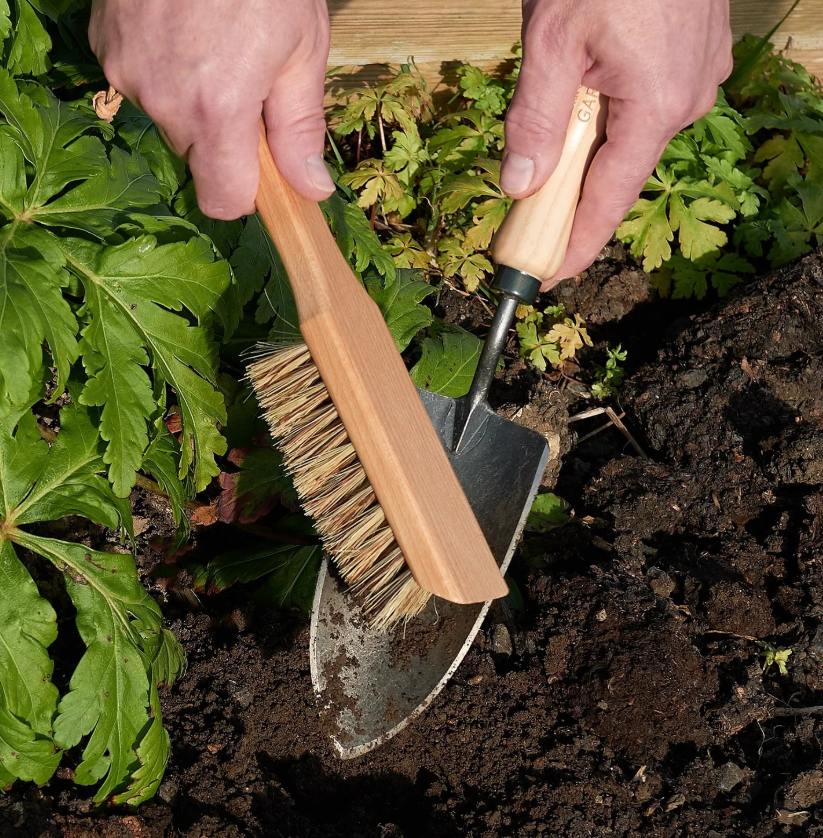
- Let tools marinate 15–30 minutes. Then scrub with a stiff brush, a steel sponge, or a toothbrush that betrayed you. Rinse with fresh water until they gleam like weapons of destiny
Welcome to the waltz of water removal, the foxtrot of evaporation, the cha-cha-cha of keeping rust at bay.
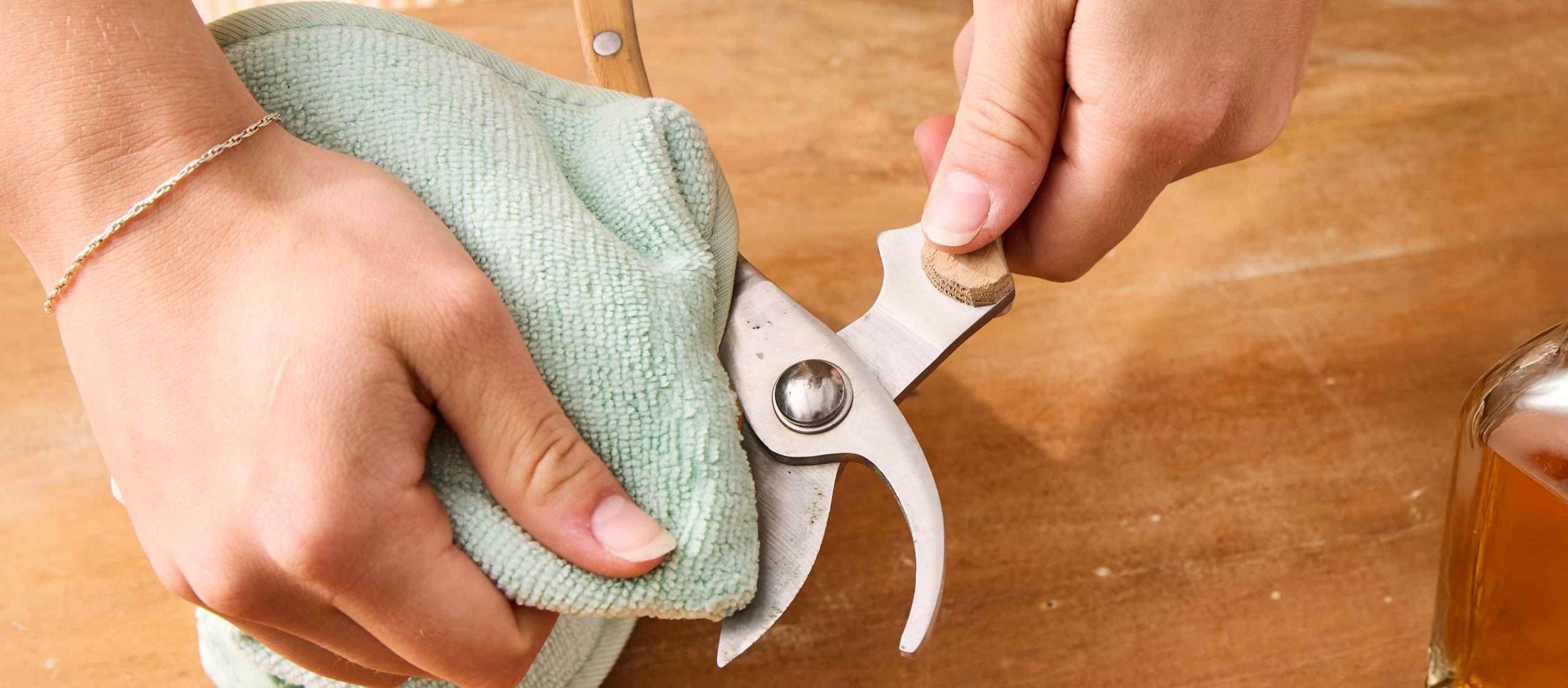
Once your tools have had their fizzy vinegar-and-baking-soda baptism, it’s time to dry them off like they’re VIPs leaving the garden spa. You don’t dab. You devote. Take a cloth—preferably one that has retired from rock band tours or was once a concert tee—and wrap your tool like a swaddled baby machete. Massage it. Coddle it. Make it purr.
But don’t stop there! Water, that sneaky rascal, hides in nooks, crannies, hinges, and bolt holes like a gossip in a Victorian novel. Use cotton swabs, pipe cleaners, or the edge of a towel pirouette to coax it out. Blow into the joints dramatically like you’re testing a woodwind instrument. Yes, you’re drying. But you’re also performing.
Have a leaf blower? Use it! A hair dryer? Blast away! A fireplace? Well… maybe don’t roast your shears, but a warm oven (turned off!) or sunny windowsill will work wonders.
And when they’re dry—bone-dry, desert-dry, sarcastic-grandma-in-August-dry—only then may you continue.
Because moisture isn’t just a post-bath problem. It’s rust’s seductive whisper.
Now begins the elegant ballet of blade restoration—not just maintenance, but soul retrieval. Your tools, dulled by duty and garden battles, deserve to sing again.
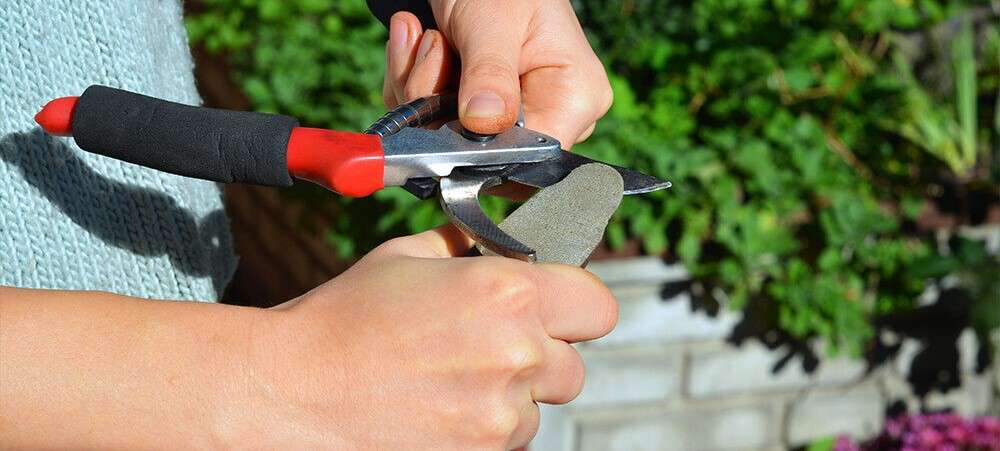
Choose your sharpening weapon: a flat file, whetstone, or diamond wand that glints with ancient secrets. Clamp the tool or cradle it like a sleepy metal cat, then glide your sharpener along the edge at a 20–30° angle—smooth, deliberate strokes, like petting a dragon with good intentions.
Read more: 3 Reasons To Keep Your Yard Tools Sharp
Swish… swish… the metal responds. Flip. Repeat. Your scissors regain their voice, your loppers their legend. For curved blades, use a sharpening rod; for big brutes like edgers, break out the grinding wheel (eye protection on, brave soul). Once sharpness returns, wipe the blade clean like you’re sealing a sacred pact. You didn’t just sharpen a tool—you resurrected its edge of destiny.
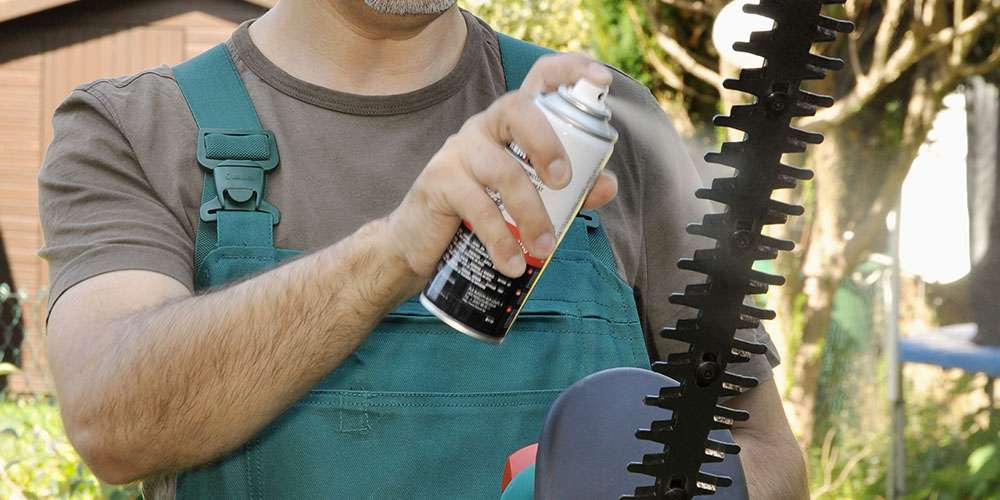
Now, darling, it’s time to get slippery—in the best way. Oil is the secret to long-lasting tools. Without it, they seize up and squeak like cranky garden ghosts. With it? They glide, gleam, and live their best lives.
Use boiled linseed oil for wooden handles—rub it in gently and watch the grain sigh in relief. For metal parts, go with mineral oil, WD-40, or even vegetable oil in a pinch. Dab hinges, joints, and blades—anywhere that moves or groans.
Wipe away the excess, maybe give your palms a little leftover rub, and admire your tools—glistening, protected, and ready for glory. You’re not just oiling. You’re extending their legend.
🛡️ INTERLUDE: Rust, the Creeping Doom – Banish It Like a Sorcerer in Gardening Boots
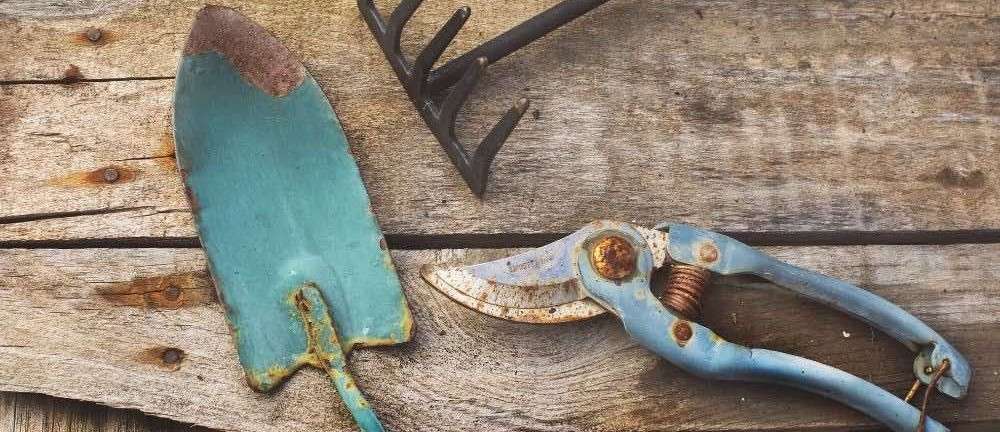
Rust is always watching. Waiting. But fear not—you’re armed with ancient counterspells.
Sand & Oil Bucket: Fill a bucket with sand, moisten it with oil, and store your tools blade-down. Every insertion is a micro-massage of maintenance.
Silica Gel Packets: Those do-not-eat pouches from new shoes? Toss them into your toolbox like tiny moisture ninjas.
Paste Wax Polish: Rub it on metal parts for a shiny, hydrophobic shield. It’s like rainproofing your rebellion.
Above all—never store tools damp. Rust loves a wet blade like mosquitoes love your ankles.
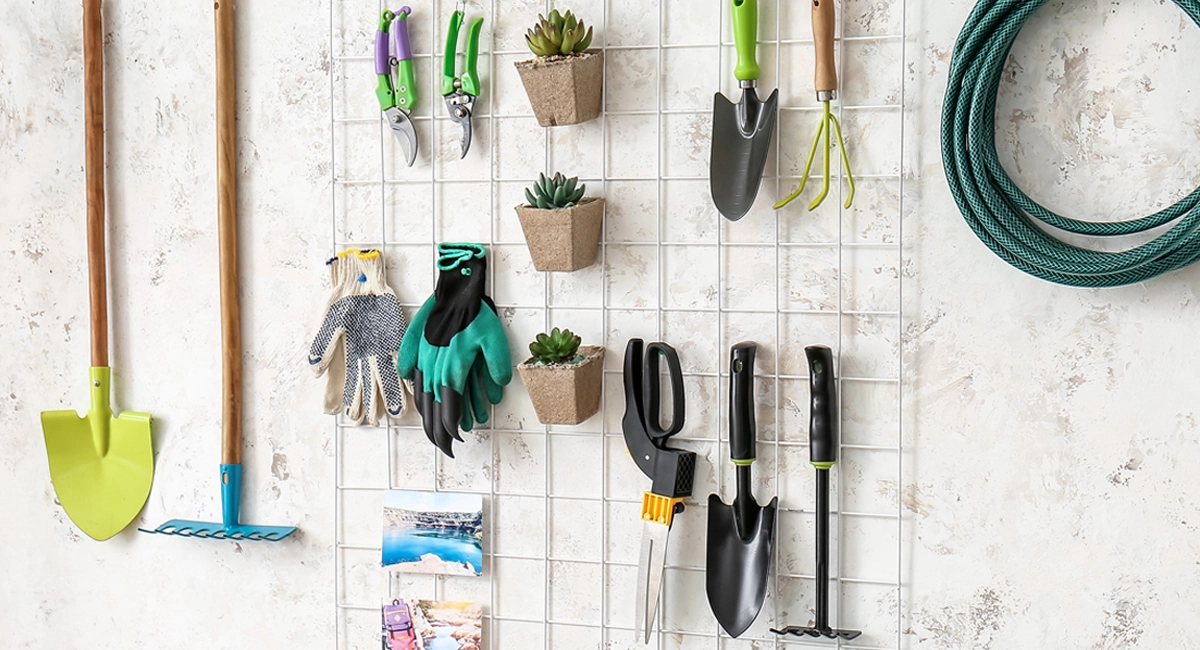
The battle’s done, the blades are gleaming, and now your trusty tools deserve more than a dusty pile—they deserve honor.
Store them somewhere dry and elevated—pegboards, hooks, or shelves fit for gardening royalty. Group like with like: diggers with diggers, cutters with cutters, and that one weird rusted thing… top shelf, preferably labeled with flair.
Feeling extra? A bucket of oil-moistened sand keeps blades clean and smug. Hang belts, air out gloves, stash bits in jars or muffin tins. This isn’t just storage—it’s a temple. And a tidy shed? That’s a tidy soul.
Keep everything clean in your yard, and find out Comprehensive Steps to Clean your Wheelie Bin Properly
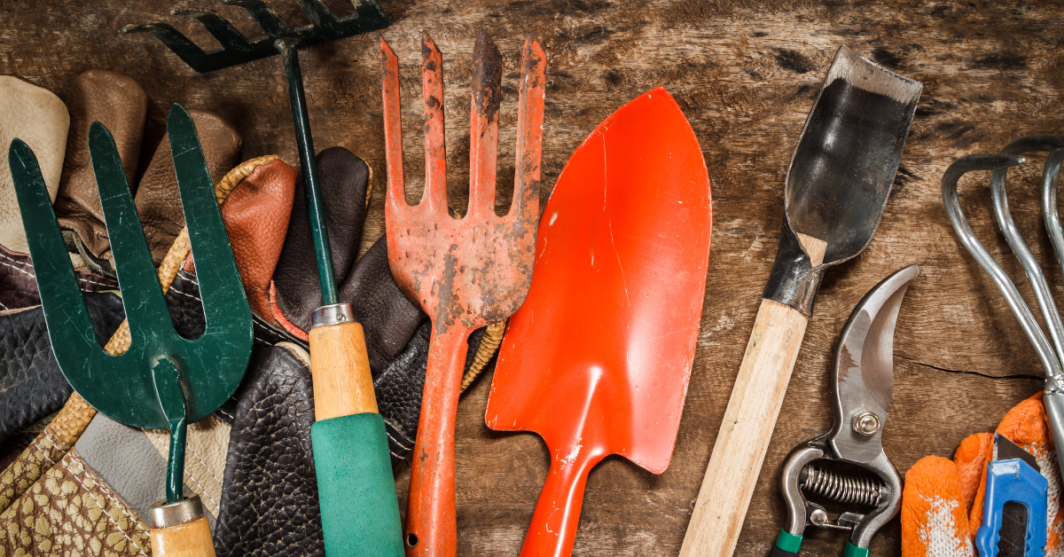
The air cools, the garden quiets, and somewhere a squirrel tucks away a walnut like crown jewels. Winter is coming—and your tools need tucking in.
Wrap each one in wax paper, old cloth, or a sturdy canvas roll (bonus points if it looks like it belongs to a wizard). This keeps out rust, dust, and the occasional nosy raccoon. If your storage space tends to sweat through the cold months, line shelves with moisture-absorbing pads or toss in a handful of silica gel packets—those tiny do-not-eat pouches have finally found a real purpose.
Want a little charm with your practicality? Tuck a few cinnamon sticks into drawers. They smell delightful and may keep curious critters away (and possibly invite forest spirits—no guarantees).
You didn’t just clean tools. You revived them. You gave your shovel a second chance. You reminded your loppers who they were. You took your hoe from haggard to heavenly.
And when spring tap-dances back into your life with muddy boots and pollen confetti, your arsenal will be ready. Sharp. Shiny. Glorious.
So raise your mug of cocoa. Or wine. Or kombucha. Look out over your resting tools and smile that knowing smile—the one only guardians of the green realm understand.
✨ Shine on, glorious garden alchemist. Your legacy is forged in steel, vinegar, and dreams.


