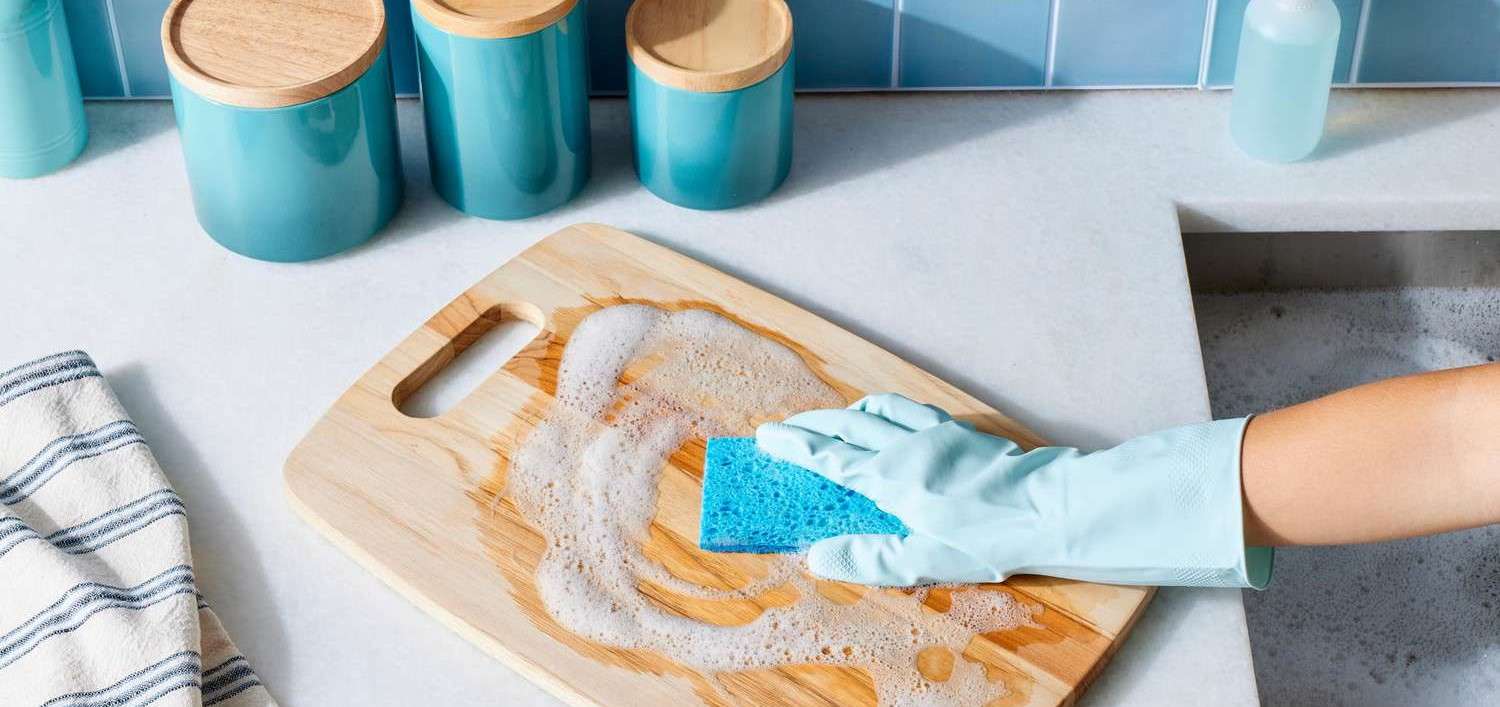
Ladies, gentlemen, and culinary daredevils—welcome to the Cutting Board Cabaret! Tonight, under the bright kitchen lights, we gather not just one brave hero, but an ensemble cast of culinary stages. Wooden boards, plastic boards, bamboo beauties, and even the sleek divas of glass—they’re all here. Each one has hosted carrots, courgettes, chickens, cheeses, and the occasional midnight sandwich, and each one needs a cleansing ritual worthy of the great kitchens of the world.
For what is a cutting board if not a silent witness to your chopping, slicing, and occasional sobbing while dicing onions? But oh, behind those slices lies the danger: bacteria, lurking like hecklers in the back row. Fear not! Tonight, we disinfect. We purify. We give every cutting board its standing ovation.
Ah, the wooden cutting board—the Shakespeare of the stage. Heavy, classic, timeless, carrying the gravitas of oak and maple. But wood is porous, a sponge of secrets, soaking up garlic whispers and chicken confessions.
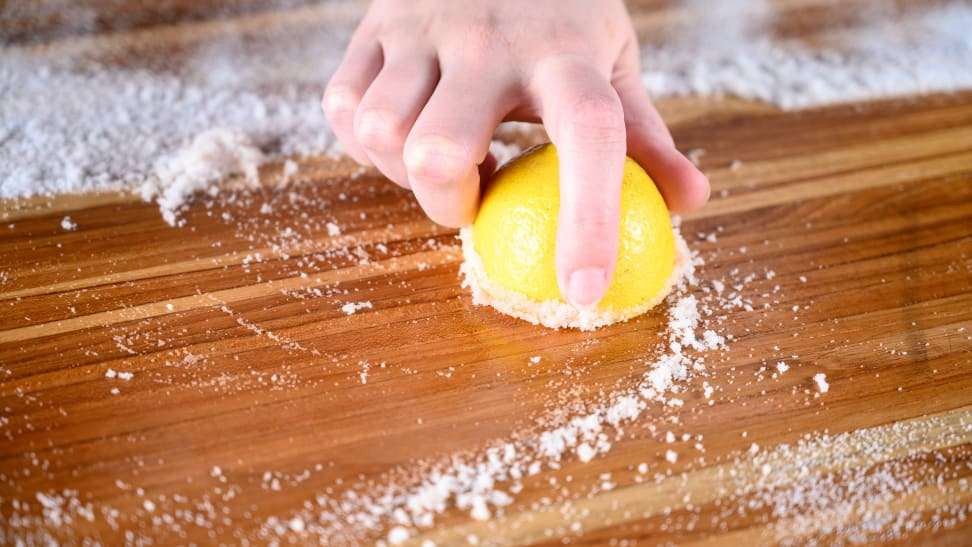
To disinfect, begin with a scrub of hot water and gentle soap—nothing harsh, no boiling water, or you’ll warp it like a violin left in the rain. Then call upon the lemon and salt tango: sprinkle coarse salt and scrub with half a lemon, letting the citrus juice seep into the grooves. The board sighs with relief as the salt scours away yesterday’s sins.
For an encore, a splash of vinegar or a spritz of hydrogen peroxide will banish any stragglers. Dry it upright, proud, like a knight resting after battle. And don’t forget its elixir of youth: a rub of mineral oil to keep it supple and shining, forever ready for the next feast.
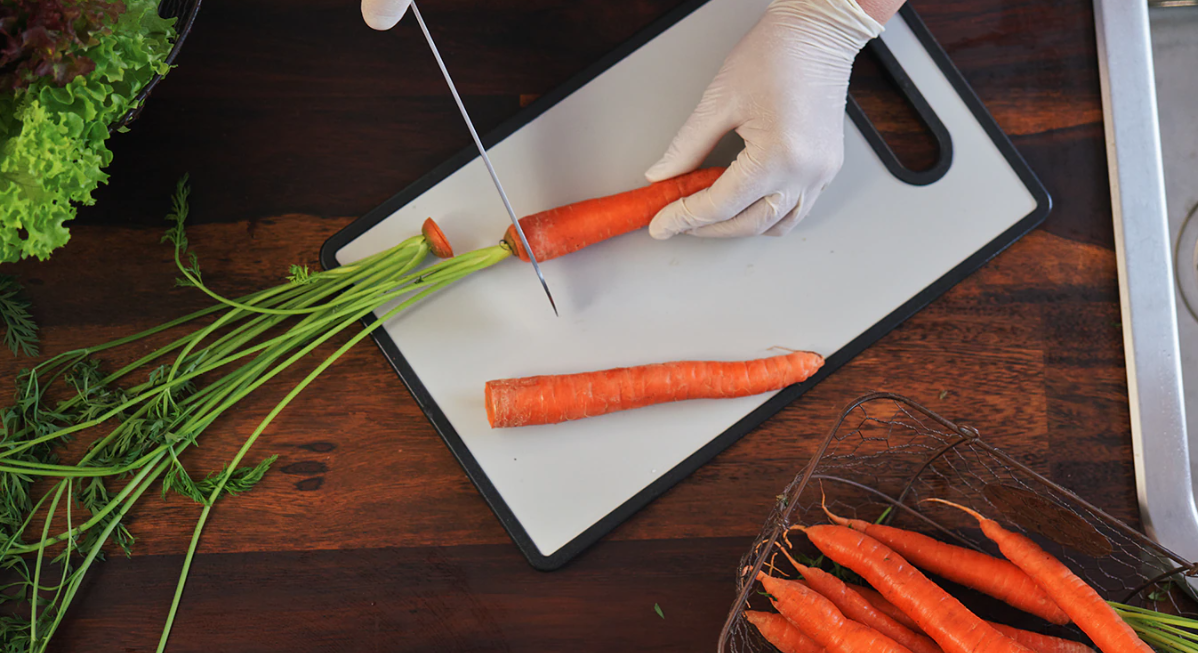
Now, the plastic board—the modern pop star of the cutting board world. Cheap, colorful, stackable. Plastic doesn’t soak in the drama like wood, but oh, it clings to scratches where bacteria hide like mischievous understudies.
Fear not! Plastic boards love a good spa day in the dishwasher. Send them on that high-heat rollercoaster, and watch the germs faint from exhaustion. If you don’t have a dishwasher, scrub them with hot soapy water, then give them a bath in diluted bleach: one tablespoon of bleach per gallon of water, a sanitizing potion strong enough to make microbes cry.
Read more: Kitchen cutting board: how to choose the right one?
Unlike wood, these boards don’t need oil, don’t need tender caresses—they’re tougher, but shorter-lived. When they get too scarred, retire them. Every performer deserves to leave the stage with dignity.
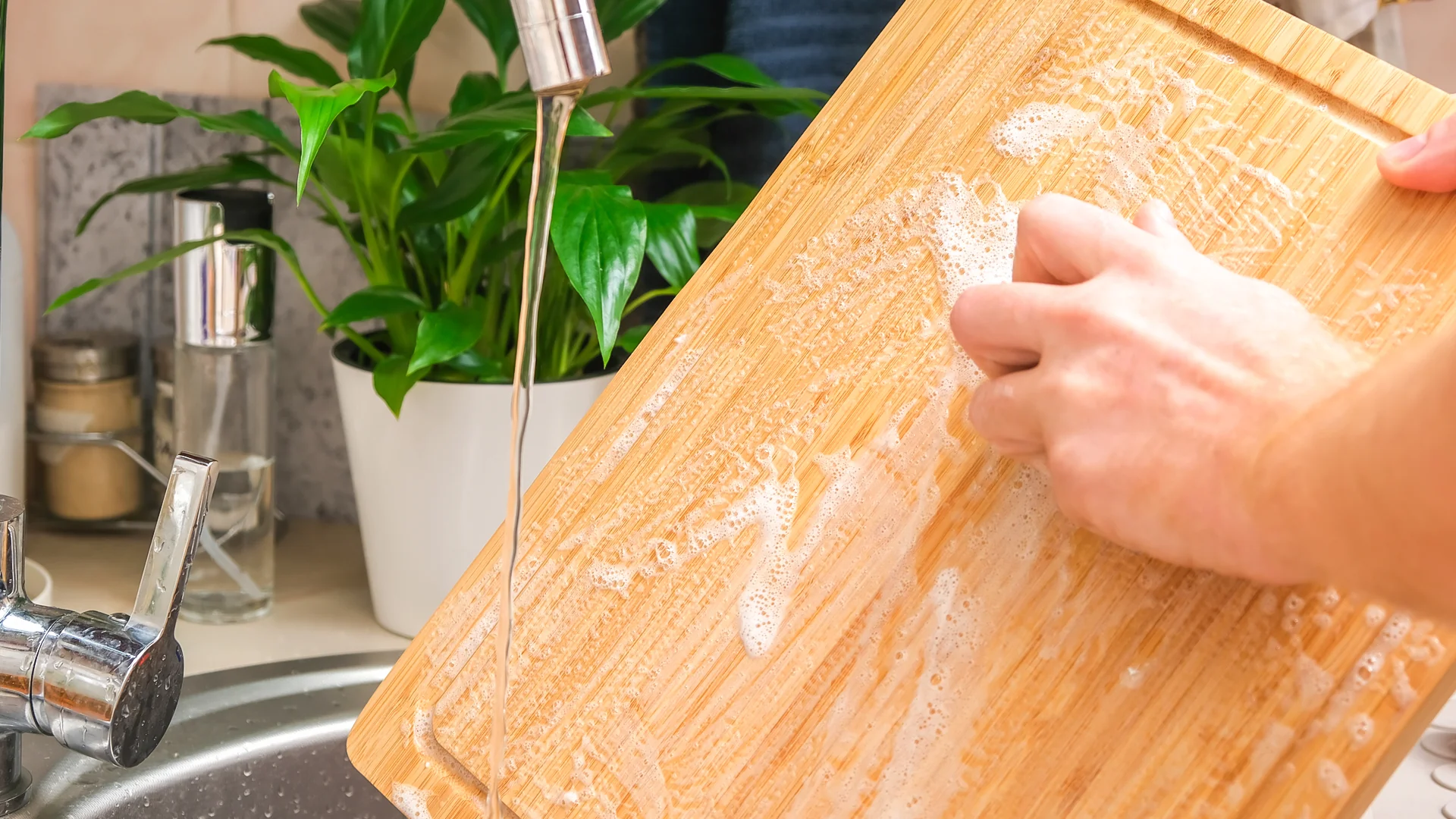
Enter bamboo, the eco-friendly starlet. Sleek, stylish, and sustainable—like the yoga teacher of the cutting board world. Stronger and less porous than wood, but still needing a bit of TLC.
Clean bamboo like you would wood—gentle soap and warm water, a lemon-salt scrub for drama, and never a soak in the sink. Bamboo hates drowning; it prefers a light mist of vinegar or hydrogen peroxide for disinfection.
And yes, bamboo adores its moisturizer, too. Rub with food-grade mineral oil or bamboo conditioner, and it will glow like it just came back from a retreat in Bali.
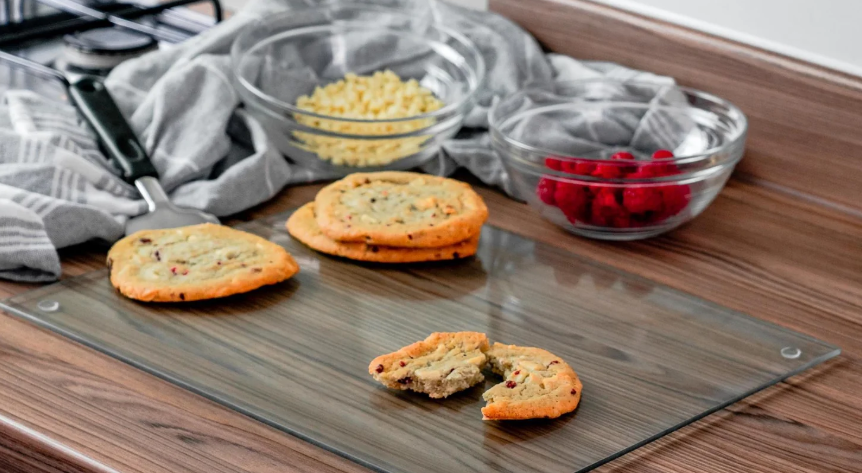
Now, the glass cutting board—oh, the glamorous diva of the kitchen. Sparkling, stylish, easy to clean, and merciless on your poor knives. Chop onions on it, and you’ll feel like you’re in a concert hall. Slice tomatoes, and the clatter echoes like applause.
The beauty of glass is that it doesn’t hold grudges. Non-porous, it doesn’t absorb, it doesn’t stain. To disinfect? Easy—just wash with soap and water, then give it a hot rinse. Or toss it into the dishwasher for the sterilizing sauna. Germs don’t stand a chance.
But beware: while it stays pristine, it secretly dulls your knives, sharpening bills instead of blades. Handle with care, and let it sparkle on the side as a glamorous guest star.
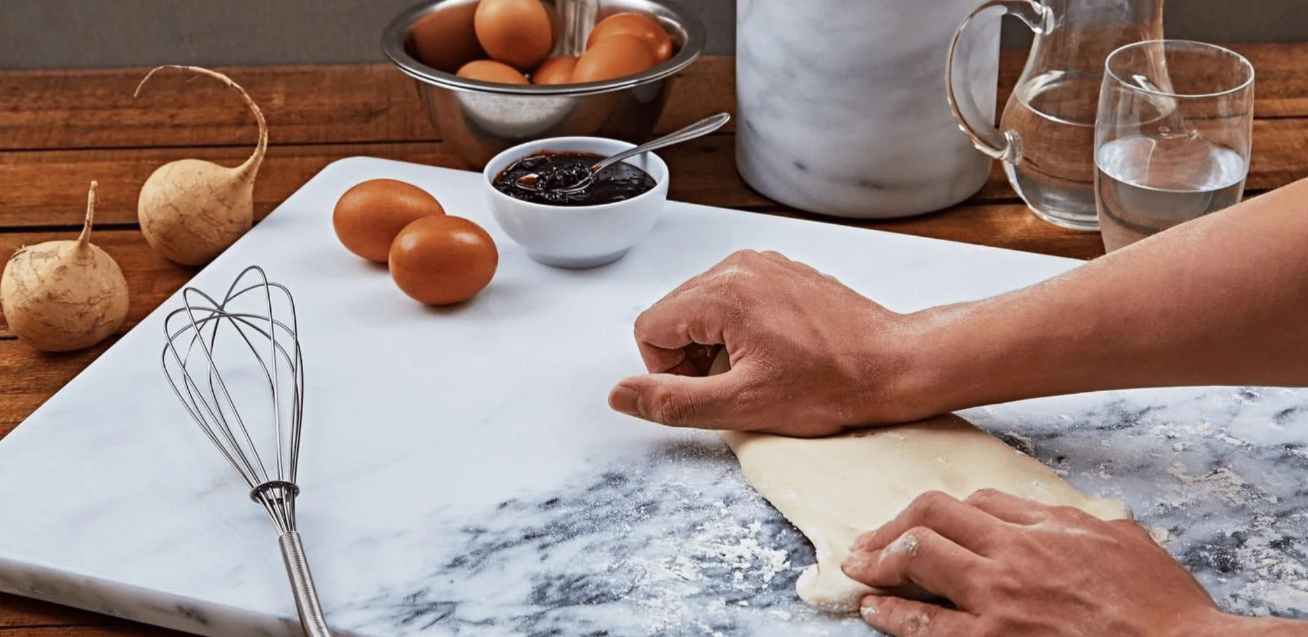
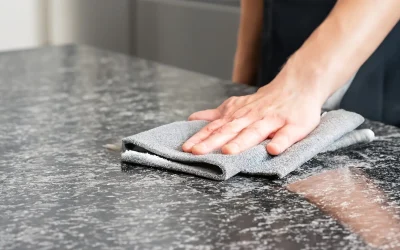
Some of you, oh fancy folk, may have marble or stone cutting boards. Gorgeous, dramatic, but heavy as a Greek tragedy. These boards, like glass, are non-porous and easy to disinfect with simple soap and water or a vinegar spritz.
Related: How To Clean a Marble Table
But remember—stone is prone to etching from strong acids, so don’t go scrubbing it with lemons like you’re cleansing your soul. A mild disinfectant spray is enough, followed by a gentle dry with a soft towel. These boards are less cutting stages, more cheese-and-charcuterie red carpets. Treat them as such.
Disinfection is not just hygiene—it is theater, it is ritual, it is your solemn vow as master of the kitchen stage. So scrub, spritz, rinse, and dry, knowing that you are not merely cleaning—you are commanding an orchestra of cleanliness.
Take a bow, maestro of disinfectants. Your cutting boards stand ready, gleaming under the kitchen lights, awaiting their next performance. Bravo!